
What Is a Distillery? A Complete Guide to How Distilleries Work

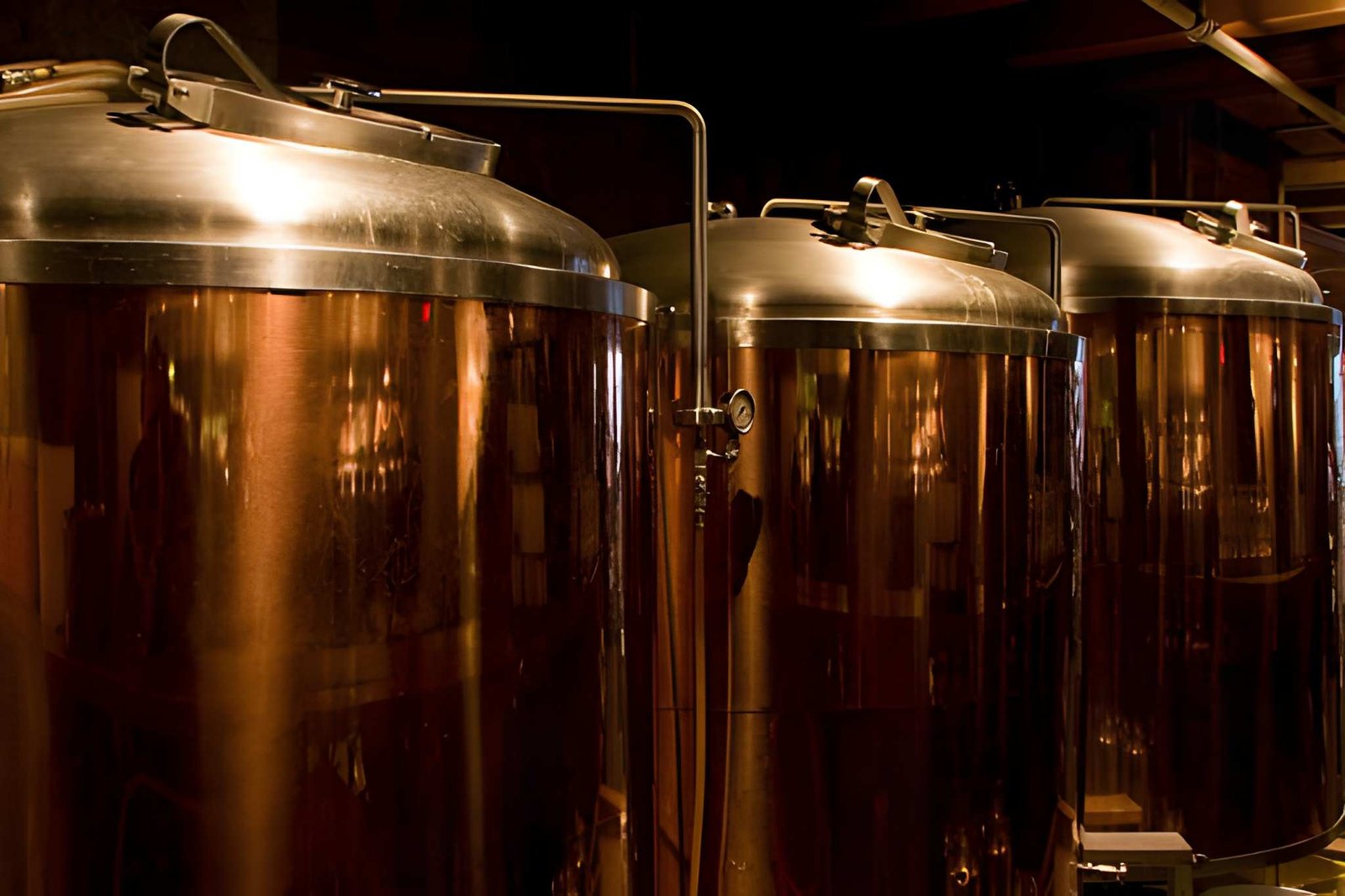
A distillery is a place where alcohol is turned into spirits by distilling. It is a factory, a production site, and a commercial enterprise where raw ingredients become gin, whisky, vodka, rum, or brandy through a controlled process of fermentation, distillation, blending, and bottling. In simple terms, a distillery takes a wash or similar fermented base and uses stills, equipment, and skill to produce alcoholic drinks with clear flavour and consistent quality.
Distilleries matter because they define where spirits come from, how they are made, and what makes one producer different from another. Some distilleries focus on gin and juniper berries. Others make whisky, vodka, rum, or brandy. Many modern distilleries in Australia now combine production with tours, tastings, and visitor experiences, so the distillery is both a working site and a place people can visit and learn from.
What Does a Distillery Actually Do?

A distillery makes spirits from fermented ingredients, then shapes the final flavour through distilling, filtering, blending, and bottling. The work sounds simple, but the process needs careful control. A change in heat, still size, botanicals, yeast, or ageing time can change the final spirit quite a lot.
The word distillery is used often in marketing, but the real meaning is practical. A distillery is the place where spirits production happens on site, using the process of distilling and the right equipment. That is why the difference between a true distillery and a brand that only bottles elsewhere matters to many gin producer and gin brand owners.
The simple definition of a distillery
The simple definition of a distillery is a place where alcoholic drinks are produced by distilling. Oxford dictionary and Cambridge dictionary both point to that basic meaning. The key parts are the factory, the alcohol, and the process of distilling. A distillery is not just a brand name, a label, or a marketing story. It is a working site where spirit is made.
How distilling turns alcohol into spirits
Distilling separates alcohol and flavour compounds from a fermented liquid by heating it and collecting the vapour that rises. The vapour is then cooled back into liquid spirit. This process of distilling creates higher strength alcohol and allows the distiller to choose the best cut points for the final product.
Gin, whisky, vodka, rum, and brandy all rely on distilling in different ways. Gin usually starts with neutral spirit, then juniper and botanicals are added. Whisky often starts with grain mash and maturing in oak. Vodka aims for a clean, neutral profile. Rum usually comes from sugarcane or molasses. Brandy comes from wine or fruit spirit. Each one uses distilling differently, but the core idea stays the same.
What makes a distillery different from a brewery
A brewery makes beer. A distillery makes spirits. The main difference is what happens after fermentation. A brewery may ferment grain into beer and package it at a lower alcohol level. A distillery takes fermented liquid and uses stills to produce stronger spirits.
A brewery usually focuses on carbonation, malt, hops, and fresh drink service. A distillery focuses on spirit strength, cut points explained through the run, still design, botanical flavour, and ageing or blending where needed. The equipment also differs. Breweries use brewing vessels and fermenters. Distilleries use a still, mash tuns, fermentation tanks, and in many cases barrels and storage areas.
How a Distillery Works

A distillery works in stages. Each stage changes the raw material a little more until it becomes finished spirit. The full gin making process, whiskey distillery process, or vodka distillery basics all follow the same broad pattern, even when the details differ.
A working distillery needs control at every step. Fermentation temperature control, spirit run monitoring, and careful bottling all affect flavour, strength, and consistency. That is why distilling is both a craft and a commercial operation.
Fermentation
Fermentation is the stage where yeast turns sugar into alcohol. Grain, fruit, molasses, or other fermentable material is prepared with water and yeast, then left to work in a tank. The result is a low strength liquid called wash.
Fermentation is one of the most important parts of distillery operations because it sets up the flavour before distillation begins. Yeast strain experiments, mash bills, and water source choices all change the wash. Some distilleries use low waste distillation methods and grain to glass transparency to keep more control over the final product.
Distillation
Distillation is the stage where the wash is heated and the alcohol vapour is collected. This is where the still does the real work. Pot stills, patent stills, Coffey stills, and column stills all handle the job in slightly different ways.
Pot stills usually create richer flavour and are often linked with traditional spirit production. Column stills are often used for cleaner, more efficient output. Some distilleries use a rotary evaporator, or rotovap, for special flavour work or experimental batches, but a rotovap is not a full substitute for a true still in ordinary distillery work.
Filtering and blending
Filtering and blending shape the spirit after distillation. Filtering can remove unwanted compounds and sharpen the texture. Blending brings different spirit runs, casks, or botanical batches together so the final product stays consistent.
This stage matters in gin production and vodka production alike. A gin producer may blend batches to keep the same juniper profile every time. A whisky distillery may blend casks to balance smoke, oak, sweetness, and age. A rum distillery may blend lighter and heavier spirit styles to create a fuller drink.
Ageing and maturation
Ageing and maturation happen after distillation when the spirit rests in barrels, casks, or other storage vessels. Whisky and some rum, brandy, and special gin styles often spend time in oak. During this stage, flavour changes through wood contact, oxidation, and evaporation.
Barrel char levels, cask finishing innovations, and warehouse conditions all affect the final drink. The angel’s share accounting may sound like a small detail, but it is part of what happens in every ageing room. Spirits can gain colour, softness, spice, or vanilla notes from this stage.
Bottling and packaging
Bottling and packaging are the final steps. The spirit is checked, diluted if needed, filled into bottles, sealed, labelled, and packed for sale. This stage matters because consistency and presentation both affect the customer experience.
A distillery that handles bottling well keeps the liquid stable, the label accurate, and the brand easy to recognise. Visitors often see this stage on tours, where the bottling line shows how a spirit moves from warehouse to retail shelf.
The Main Types of Distilleries

The main types of distilleries are grouped by spirit category. Each type uses the same broad distilling process, but each one has a different raw material, still style, and flavour goal. Gin distilleries, whisky distilleries, vodka distilleries, rum distilleries, and craft distilleries all have their own working style.
A distillery may focus on one product or produce several spirits at once. A small batch distillery may make limited runs with more hands-on control. A large plant may use more automation and larger still size.
Gin distilleries
Gin distilleries focus on gin and the flavour of juniper. Botanicals such as coriander, citrus peel, spice, and herbs are added during distillation or through vapour infusion. The goal is a spirit where juniper stays central and the other botanicals support the base.
London Dry Gin is the best known style, but Australian gin now includes many local variations. Scottish Gin and London dry gins still influence the market, but craft gin makers in Australia now use native botanicals, citrus, and bright herb notes too.
Whisky distilleries
Whisky distilleries focus on grain, fermentation, distillation, and ageing. The spirit usually starts as wash made from malted grain or other grains. After distillation, the spirit spends time in barrels or casks where it develops colour and character.
The shape of the still, the cut points, and the oak all matter. A whisky distillery is often defined as much by maturation as by distilling itself.
Vodka distilleries
Vodka distilleries aim for a clean, neutral spirit. The spirit may come from grain, potato, or other fermentable material. The distiller often uses filtration and repeated distillation to create a smooth result.
Vodka production can use column stills and other efficient equipment. The focus is usually purity, not heavy flavour. That is why a vodka distillery often looks different from a gin distillery or whisky distillery in both method and taste.
Rum distilleries
Rum distilleries work with sugarcane juice, molasses, or related sugar sources. The flavour can range from light and clean to dark and rich. Ageing, barrels, and blending often play a big role.
Rum production can include spice, caramel, fruit, or oak notes depending on the style. Some distilleries make white rum for mixing. Others produce darker aged rum with more depth.
Craft distilleries
Craft distilleries are smaller producers that focus on batch control, local ingredients, and flavour-led spirits. A craft distillery may make gin, whisky, vodka, or rum, and often keeps production close to the tasting room or visitor centre.
The rise of small batch distilleries has changed the Australian alcohol scene. Many customers now want grain to glass transparency, local sourcing, and a direct connection to the people making the spirit.
The Equipment Used in a Distillery
The equipment used in a distillery decides what the spirit can become. Some equipment is traditional. Some is modern. Some helps with production. Some helps with cleaning, storage, or testing. A real distillery needs a practical mix of machinery, tanks, stills, and storage.
The type equipment distillery operators choose depends on the spirit style, still size, budget, and licence conditions. The main tools shape flavour, output, and efficiency.
Copper pot stills
Copper pot stills are a classic piece of distilling equipment. Copper helps remove unwanted sulphur compounds and can improve flavour development. Many gin and whisky makers still rely on copper pot secrets passed down through experience.
A copper pot still usually creates a fuller spirit with more character. That is one reason traditional still required conversations often focus on copper first.
Column stills
Column stills, sometimes called patent stills or Coffey stills, are built for continuous production and higher efficiency. They can produce cleaner spirit at scale and are common in vodka and some whisky production.
A column still distillery can keep output steady and efficient. This style is often used when commercial production matters more than small batch character.
Mash tuns
Mash tuns prepare grain for fermentation. Water and grain meet here before yeast is added. The mash tun helps control sugar extraction and consistency.
In whisky and grain distilling, the mash tun is a core piece of equipment. It shapes the wash before it ever gets involved.
Fermentation tanks
Fermentation tanks hold the wash while yeast turns sugar into alcohol. Tank size, shape, and temperature control all influence flavour and speed.
Some distilleries use stainless steel tanks. Others use tanks made for more hands-on, small batch profiling. Good fermentation temperature control supports cleaner spirit and better repeatability.
Barrels and storage areas
Barrels and storage areas are used for ageing, resting, or holding spirit before bottling. Not every distillery ages spirit, but many use barrels for whisky, rum, or special gin releases.
Storage areas also help with logistics. The warehouse, tasting room, and bottling line all need space and planning. Distillery tour logistics often depend on how these areas are laid out.
Why Copper Stills Matter in Distilling
Copper stills matter because copper changes the spirit during heat and vapour contact. It is not only about tradition. It is about chemistry, flavour, and consistency. Many distillers still prefer copper because the material helps produce a smoother result.
The debate between copper vs stainless stills continues in modern distilling, but copper stills remain the most recognisable symbol of a traditional distillery.
Flavour development
Copper helps shape flavour by removing harsh notes and supporting cleaner distillation. It can make spirits taste more balanced and less rough.
This matters in gin, whisky, and brandy. A distiller often wants the spirit to keep flavour but lose unwanted edges.
Purity and smoothness
Copper can improve purity and smoothness by reacting with sulphur compounds during distillation. That helps make the spirit feel cleaner in the glass.
A smooth result is especially useful for dry gin, vodka, and light whisky styles where balance matters more than heavy texture.
Traditional versus modern stills
Traditional stills usually mean copper pot stills and older style methods. Modern stills may include stainless steel, columns, automation, and specialist lab tools.
A distillery can still be authentic with modern gear, but the still must be real and properly used. A rotovap, for example, can support experimental work, but it does not replace the need for an actual still in a working distillery.
What Happens Inside a Gin Distillery

A gin distillery turns neutral spirit into gin by adding botanicals and distilling them carefully. The spirit does not need long ageing. Instead, flavour comes from juniper, coriander, citrus, herbs, and spice.
A gin distillery may use pot stills, baskets, vapour methods, or infusion. The choice affects aroma, texture, and strength.
Choosing botanicals
Choosing botanicals is one of the most important parts of gin production. Juniper berries must be central. Coriander, citrus peel, angelica, orris root, pepper, cardamom, and local herbs may also be used.
Different botanical sets create very different gins. Some are dry and classic. Some are floral. Some are bold and spicy. Some carry native Australian notes that suit the local market.
Vapour infusion explained
Vapour infusion lets alcohol vapour pass through a basket of botanicals before it condenses back into liquid. This method can create a lighter, cleaner botanical profile than full steeping.
Gin basket aromatics often feel fresher and brighter because the botanicals are not boiled directly in the spirit. This is useful when a distiller wants a softer style.
Distilling Australian gin
Distilling Australian gin often means using native botanicals, citrus, and local style choices. Some makers draw on lemon myrtle, finger lime, rosemary, and coastal herbs. Others stick closer to London Dry Gin structure.
The Australian spirits scene has grown fast, and gin producer brands now compete on story, texture, and flavour as much as on price. A well made Australian gin can sit beside Scottish Gin or London dry gins with confidence.
The Rise of Craft Distilleries in Australia

Craft distilleries in Australia have grown because customers want local spirits, clear ingredients, and more direct brand stories. Small batch distilling trends also suit people who want flavour, tours, and a closer look at how spirits are made.
Australia now has more interest in distilling, tastings, and spirits production than it did a decade ago.
Why craft spirits are growing in popularity
Craft spirits are growing because customers want authenticity, local sourcing, and new flavours. Many drinkers now choose gin, whisky, and rum made close to home.
Commercial distilling enterprise models still matter, but craft producers often win attention through flavour and transparency. The result is a stronger link between the maker and the drinker.
Melbourne’s craft distilling scene
Melbourne has a strong distilling culture with many visitors looking for gin distillery experiences, tastings, and classes. The city is known for a mix of small batch producers, urban tasting rooms, and local spirits brands.
The Melbourne scene also supports people who want to learn about distilling without setting up a full production site. That interest has helped grow visitor programs and education.
Small batch distilling trends
Small batch distilling trends focus on limited runs, local ingredients, and hands-on control. A small batch spirit can change more between releases, which gives the distiller more freedom to experiment.
These distilleries often use single batch profiling, custom mash bills, and low waste distillation methods to keep each release clear and interesting.
How Here’s Looking at You Kid Helps Its Clients
A strong distilling community needs more than equipment and licences. It also needs access to learning, guidance, and quality spirits support. heres looking at you kid helps clients who want practical support around spirits, distilling knowledge, and product choices that fit real home and hospitality needs.
For people who want to learn more in person, the distilling course melbourne gives a direct path into the basics of spirits, flavour, and distillery thinking. That matters for beginners, enthusiasts, and anyone who wants a clearer view of how a distillery works.
Distillery Laws and Licensing in Australia
Distillery laws and licensing in Australia control who can make spirits, where they can do it, and how they must operate. Distilling is a regulated activity because alcohol is a strong product and the process needs safety, tax, and compliance controls.
Planning permission, tax law, and safety requirements all matter before production can begin.
Distilling licences and permits
A distillery needs the right licence and permits before it can legally make spirits. Authorities may ask for site details, equipment details, security, and business information.
Planning permission also matters when a site is being used for spirits production. A proposed site is not a true distillery until it has the proper approvals and the right equipment in place.
Australian alcohol tax and excise
Alcohol tax and excise affect how a distillery operates financially. Tax law may define spirits production for collection purposes, but that definition is not always the same as a true distillery definition.
That difference matters. A site can be involved in spirits production for tax purposes without being a genuine distillery in the full operational sense.
Safety and compliance requirements
Safety and compliance requirements are strict because distilling uses heat, alcohol vapour, machinery, and storage systems. Good ventilation, fire control, proper training, and equipment checks are part of daily distillery work.
A distillery that ignores safety can put staff, visitors, and product quality at risk. That is why compliance is part of the business, not an extra task.
Can Anyone Start a Distillery?
Anyone can learn about distilling, but not everyone can start a distillery quickly. The business needs money, space, technical skill, permits, and a clear plan. The process is doable, but it is not simple.
Equipment and startup costs are only part of the picture. Location, licensing, and production knowledge matter just as much.
Equipment and startup costs
Startup costs can be high because a distillery needs stills, tanks, storage, safety gear, and bottling equipment. A small setup may be cheaper than a full commercial plant, but even a small still house needs a serious budget.
A business also needs packaging, labels, ingredients, insurance, and working capital.
Finding the right location
The right location depends on access, approvals, and practical space. A distillery usually needs room for production, storage, tasting, and visitor flow if tours are planned.
A site near transport and suppliers helps the business run more smoothly. Planning permission can also shape what kind of site is possible.
Skills needed for distilling
A distiller needs technical skill, taste, patience, and consistency. The work touches chemistry, equipment, flavour, and compliance.
Good distilling also requires judgement. A distiller must know when to keep a cut, when to blend, and when to adjust the process.
What Makes a Good Distillery?
A good distillery does more than make alcohol. It makes spirits consistently, works safely, respects the process, and gives customers a reason to trust the brand. Quality ingredients, method, and visitor experience all matter.
The best distilleries tend to combine authentic production with clear flavour and a useful story.
Quality ingredients
Quality ingredients matter because bad grain, weak water, or tired botanicals show up in the final spirit. Good distilleries choose ingredients carefully and work with suppliers they trust.
That choice affects gin, whisky, vodka, rum, and brandy alike.
Consistent distilling methods
Consistent distilling methods help a distillery repeat the same result. Cut points explained clearly, steady fermentation temperature control, and careful spirit run monitoring all support this.
Consistency builds trust with customers. A bottle should taste like the last bottle unless the distiller deliberately changes the style.
Innovation and flavour profiles
Innovation matters when a distillery wants to stand out. New botanicals, cask finishing innovations, yeast strain experiments, and special release profiling can keep the range fresh.
A good distillery does not copy every trend. It builds a clear flavour profile that matches its brand and its customers.
Visitor experiences and tastings
Visitor experiences and tastings matter because many customers want to see how spirits are made. A tasting room gives the distillery a chance to explain the product in a direct way.
Tours also help customers understand how the still, warehouse, and bottling line work together. That creates trust and gives the brand a stronger identity.
Distillery Tours and Tasting Experiences
Distillery tours and tasting experiences give visitors a close look at the production process. People often want to see the still, smell the botanicals, and hear how the spirit is made from start to finish.
These experiences are popular because they make the distillery feel real, not abstract.
What to expect on a distillery tour
A distillery tour usually covers the history of the business, the raw ingredients, the stills, and the bottling process. Visitors may also see the warehouse and tasting room.
Good distillery tour logistics make the visit smooth, clear, and useful. People leave with a better sense of how spirits are made.
Gin tastings explained
Gin tastings usually compare base spirit, botanical profile, and garnish style. Visitors might taste a classic dry gin, a citrus gin, and a native botanical release side by side.
Tastings help people understand juniper, coriander, citrus, spice, and floral notes. They also show how mixer choice changes the drink.
Distillery events in Melbourne
Melbourne distillery events often include tastings, masterclasses, launch nights, and seasonal releases. The local crowd tends to respond well to small batch releases and hands-on experiences.
These events help build a connection between the maker and the drinker.
Common Distillery Terms Explained
Distillery terms can sound technical, but most of them are easy once you know the meaning. These terms help explain what happens during production and why the final spirit tastes the way it does.
Learning the vocabulary makes tours, tastings, and label reading much easier.
Wash
Wash is the fermented liquid before distillation. It contains alcohol, water, and flavour from the raw ingredients and yeast.
Botanicals
Botanicals are plant ingredients used in gin and other spirits. Juniper berries are the main botanical in gin, and coriander, citrus peel, roots, and herbs often support it.
Heads, hearts and tails
Heads, hearts and tails are the main fractions collected during distillation. The heads may contain rough or unwanted compounds. The hearts are the clean, useful part. The tails carry heavier compounds that may be kept or separated.
Cut points matter because they shape flavour and smoothness.
Small batch spirits
Small batch spirits are made in limited runs rather than large industrial volumes. The idea usually suggests more hands-on control, more flavour focus, and more attention to detail.
Frequently Asked Questions
What is the purpose of a distillery?
The purpose of a distillery is to turn fermented liquid into spirits through distilling. A distillery also controls flavour, consistency, bottling, and presentation.
What is the difference between a distillery and a brewery?
A brewery makes beer. A distillery makes spirits. The main difference is that a distillery uses stills to raise alcohol strength and shape flavour.
How does a gin distillery work?
A gin distillery starts with neutral spirit, adds juniper berries and other botanicals, then distils the mixture to create gin. Some distilleries use vapour infusion, while others steep botanicals directly.
What spirits are made in a distillery?
A distillery can make gin, whisky, vodka, rum, brandy, and other spirits. Some distilleries focus on one product. Others make several.
Can you visit a distillery in Melbourne?
Yes. Many distilleries in Melbourne offer tours, tastings, and events. Some also run masterclasses and small group sessions for people who want to learn more about distilling.
