
How to Enjoy Gin: The Ultimate Guide for Beginners and Enthusiasts in Australia

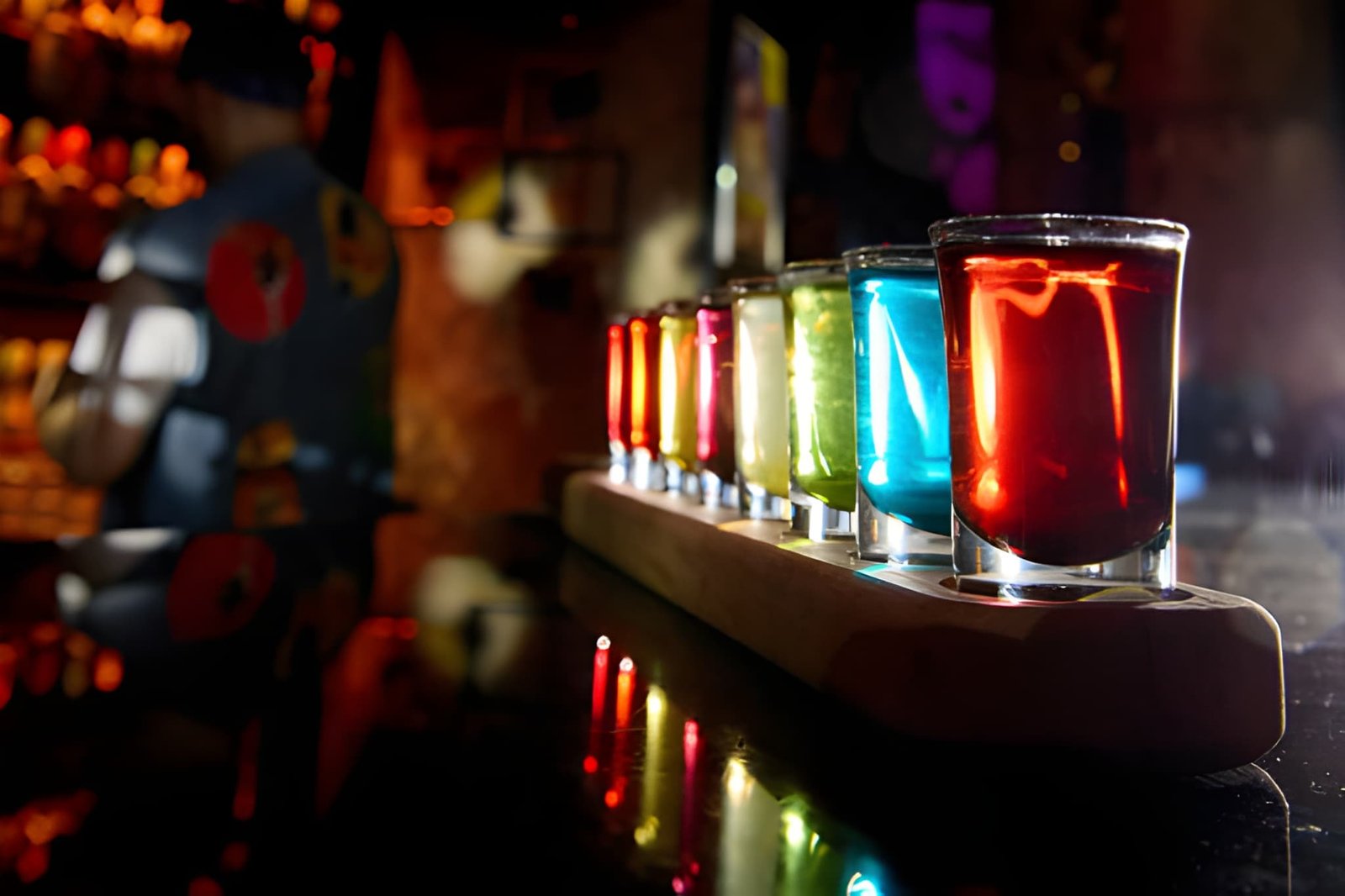
Enjoying gin means understanding how its botanicals, serving style, and mixers work together to create a drink that suits your taste. Gin is a spirit distilled with juniper berries as the dominant botanical, alongside a range of herbs, citrus peels, spices, and flowers that vary by distiller. The result is a spirit with more flavour complexity than most, and that complexity is what makes gin so enjoyable when you know how to work with it.
This guide covers the best ways to enjoy gin, from classic cocktails and gin and tonics to drinking neat, pairing botanicals with the right mixers, and selecting a gin that matches your palate. It also covers glassware, garnishes, serving temperatures, common beginner mistakes, and where to start if gin is new to you. Whether you are new to gin or looking to deepen your appreciation, this guide gives you the practical knowledge to get more out of every glass.
What Makes Gin Unique?
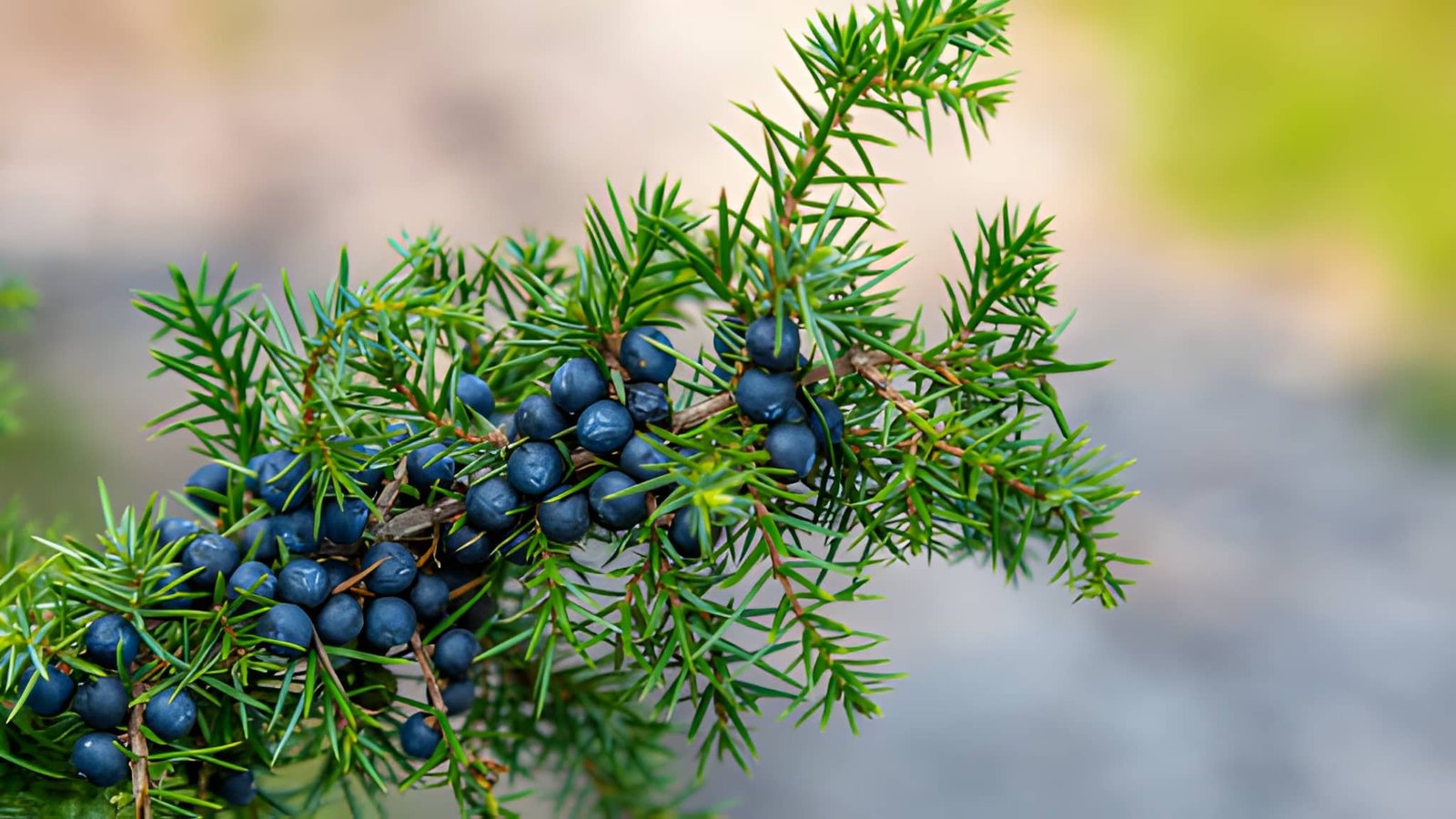
Gin is made from a neutral grain spirit that is redistilled or compounded with botanicals, with juniper (Juniperus communis) being the legally required dominant flavour. Beyond juniper, distillers use 4 to 40+ additional botanicals, including coriander seed, angelica root, cardamom, orris root, lemon peel, orange peel, liquorice root, and cassia bark.
The base spirit can come from grain (wheat, rye, corn), grape, or sugar cane, and the choice of base affects mouthfeel. Grain-based gins tend to be cleaner and drier, while grape-based gins carry a subtle richness. Australian craft distillers often use locally sourced botanicals such as lemon myrtle, wattleseed, finger lime, and Tasmanian pepperberry to give their gins a distinctly Australian character.
How Botanicals Shape Flavour
Botanicals shape gin flavour in 3 primary ways: the selection of botanicals, the quantity used, and the distillation method applied to them. Distillers use one of 3 main methods to extract botanical flavour:
- Vapour infusion suspends botanicals above the spirit so vapour passes through them during distillation, producing a lighter, more delicate flavour.
- Maceration steeps botanicals directly in the spirit before distillation, producing a deeper, more intense flavour.
- Cold compounding blends botanical extracts or essential oils into the spirit without redistillation, typically used in lower-cost production.
The balance between juniper, citrus, floral, and spice notes determines whether a gin tastes dry and piney, fruity and soft, or warm and spiced. Understanding that balance helps you choose the right mixer and garnish.
Popular Gin Styles in Australia
There are 5 main gin styles consumed in Australia:
- London Dry Gin: Dry, juniper-forward, no artificial flavourings added after distillation. Brands like Tanqueray and Beefeater are widely available.
- Contemporary Australian Gin: Made with native botanicals, typically softer on juniper and more expressive of citrus, floral, and eucalyptus notes.
- Old Tom Gin: Slightly sweeter than London Dry, traditionally used in classic cocktails like the Tom Collins.
- Navy Strength Gin: Bottled at 57% ABV (alcohol by volume) or above, with a more intense botanical profile.
- Sloe Gin: A gin-based liqueur made by macerating sloe berries, lower in ABV and notably sweet.
The Best Ways to Enjoy Gin
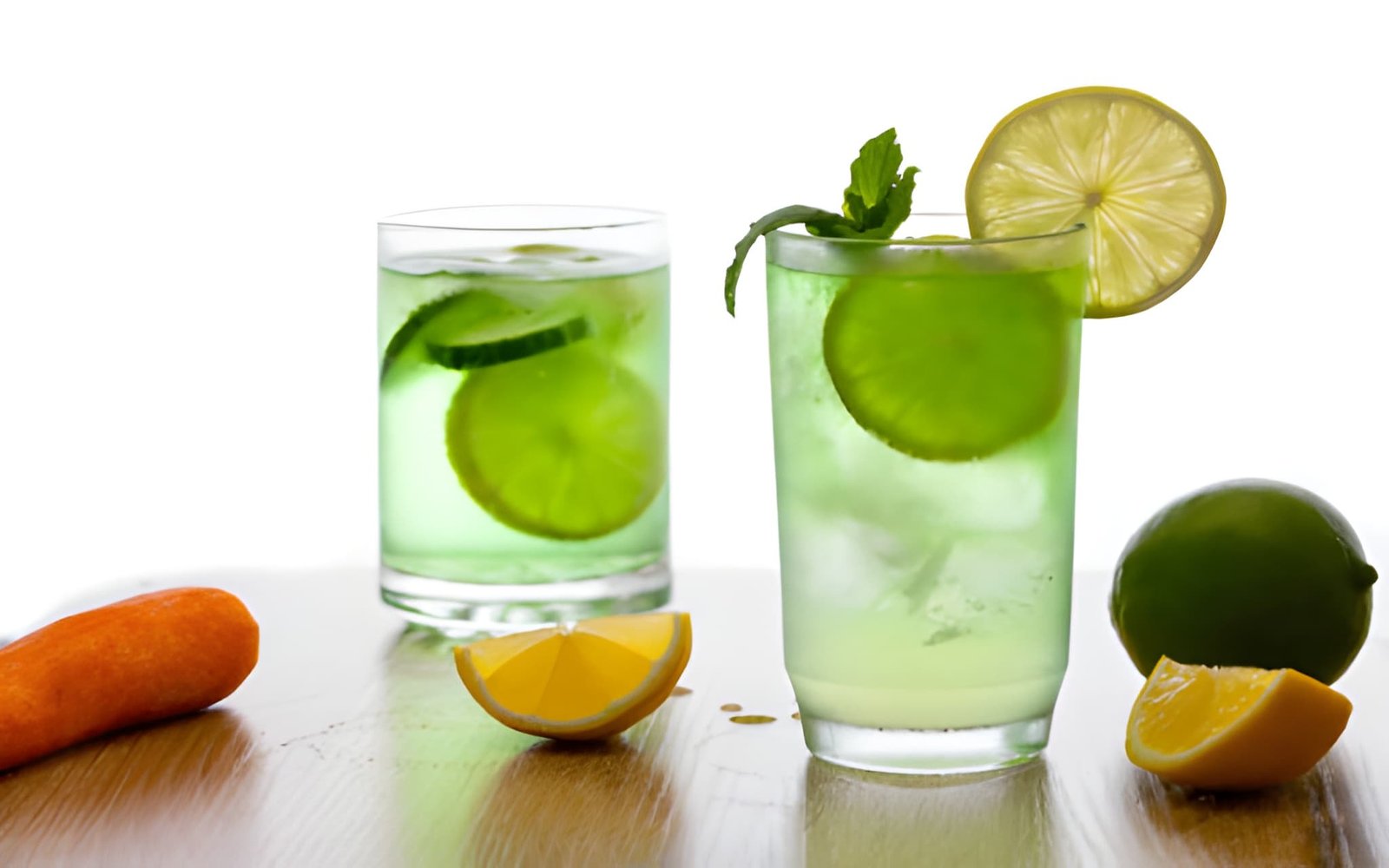
Enjoying Gin in Classic Cocktails
Classic gin cocktails give you a structured starting point for understanding how gin interacts with other flavours. There are 6 classic gin cocktails worth knowing:
- Martini: Gin and dry vermouth, stirred and served cold. Traditionally garnished with a lemon twist or olive.
- Negroni: Equal parts gin, Campari, and sweet vermouth. Stirred and served over ice with an orange peel.
- Tom Collins: Gin, fresh lemon juice, simple syrup, and soda water. Served long over ice.
- Gimlet: Gin and fresh lime juice with a small measure of simple syrup. Served chilled.
- Clover Club: Gin, lemon juice, raspberry syrup, and egg white. Shaken and served in a coupe glass.
- Aviation: Gin, maraschino liqueur, creme de violette, and lemon juice. A floral, slightly sweet serve.
Each cocktail highlights a different facet of gin. The Negroni draws out its bitter herbal notes; the Tom Collins brightens its citrus character; the Martini strips everything back to reveal the gin itself.
Drinking a Gin and Tonic the Right Way
A well-made gin and tonic (G&T) uses a 1:2 ratio of gin to tonic water, meaning 30ml (1 fl oz) of gin to 60ml (2 fl oz) of tonic, or 45ml to 90ml for a standard serve in Australia. That ratio keeps the gin’s botanical character present without diluting it.
4 steps to build a proper G&T:
- Fill a copa glass (balloon glass) with ice cubes, not crushed ice, to slow dilution.
- Pour the gin over the ice and let it chill for 10 to 15 seconds.
- Pour the tonic water slowly down the side of the glass or over a bar spoon to preserve carbonation.
- Add the garnish last so the aromatics are released just before drinking.
Tonic water selection matters. Premium tonic waters like Fever-Tree, Capi, or Strangelove have less sugar and more nuanced bitterness than standard commercial tonic. They let the gin speak rather than masking it with sweetness.
Simple Mixed Drinks for Beginners
There are 4 easy gin serves that suit beginners:
- Gin and elderflower tonic: Floral, lightly sweet, and low effort. Works with contemporary Australian gins.
- Gin, soda, and fresh lime: Cleaner and drier than a G&T, good for those who prefer less sweetness.
- Gin and ginger beer: Adds warmth and spice. Pairs well with citrus or spiced gins.
- Gin and lemonade: Light and sweet. Best with a juniper-forward London Dry.
How to Drink Gin Neat or Over Ice
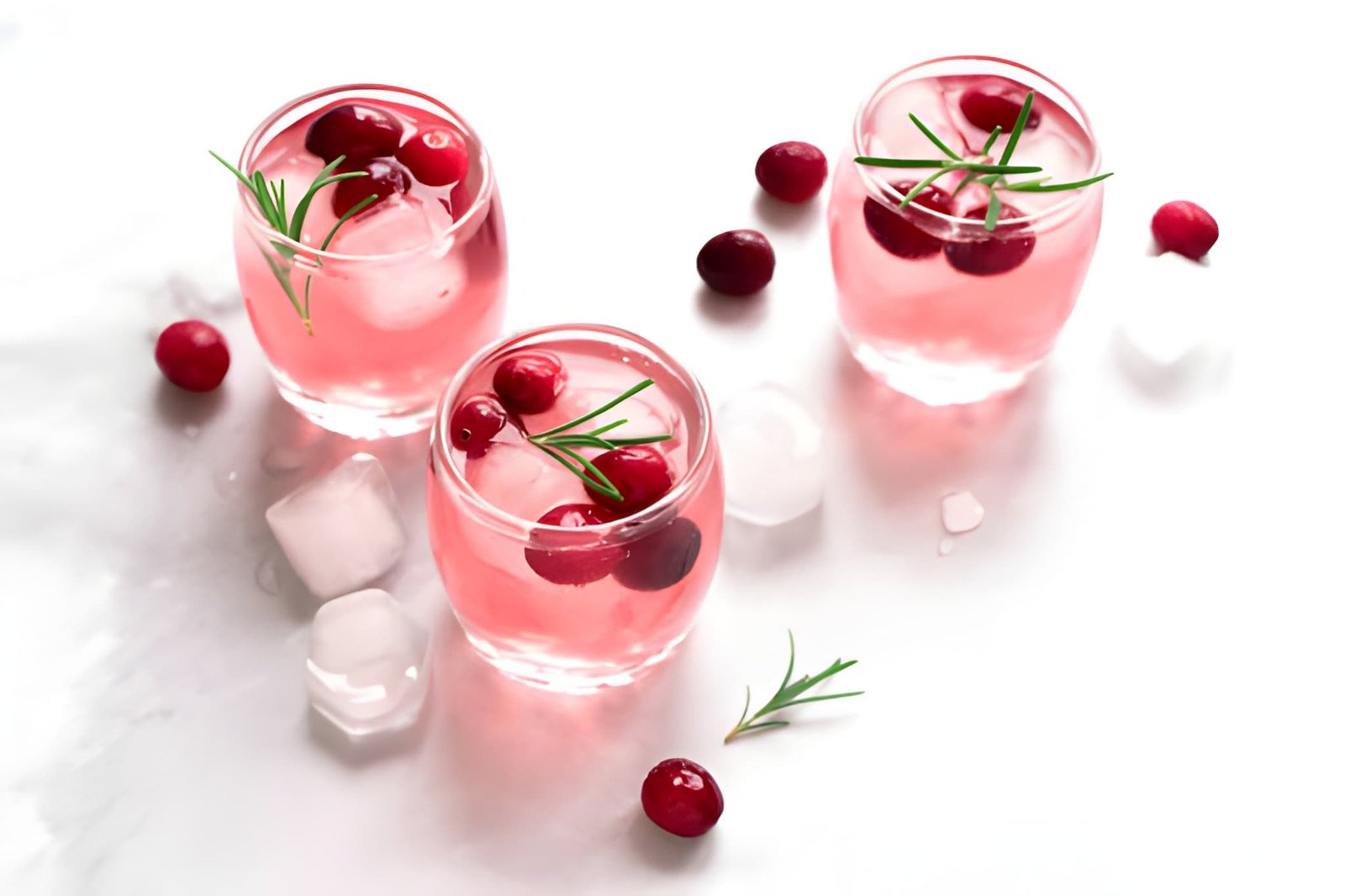
When to Drink Gin Neat
Drink gin neat when tasting a new bottle for the first time or when exploring a premium or small-batch gin. Drinking neat at room temperature allows the full botanical profile to present itself without dilution or the masking effect of mixers.
Pour 30ml (1 fl oz) into a small tulip-shaped nosing glass. Hold it at room temperature for 2 to 3 minutes before tasting. Take a short sniff first, then a slow sip, letting the gin sit on your palate before swallowing.
How Ice Changes the Flavour
Ice changes gin in 3 ways. First, chilling reduces the perception of alcohol heat, which makes the spirit taste smoother. Second, slight dilution as ice melts softens sharper botanical edges, particularly high-proof gins. Third, cold temperatures can suppress certain volatile aromatic compounds, so some floral notes become less prominent when gin is very cold.
A large, slow-melting ice cube (65mm / 2.5 inches) is the best choice for drinking gin over ice because it chills without diluting quickly. Avoid crushed ice for neat or over-ice serves, as it dilutes too fast.
Choosing the Right Glassware
There are 4 common glass types used for gin:
| Glass | Best For | Why |
| Copa (balloon) glass | Gin and tonic | Concentrates aromas at the rim |
| Nick and Nora | Martinis, stirred cocktails | Elegant, low surface area retains chill |
| Highball | Long mixed serves | Holds ice and volume without crowding |
| Tulip nosing glass | Neat tasting | Directs aromas toward the nose |
The copa glass has become the standard for G&Ts in Australia because it holds a large ice cube and concentrates botanical aromas at the wide rim, improving the nosing experience before each sip.
How to Pair Gin with Flavours and Ingredients
Matching Botanicals with Mixers
Match the dominant botanical note of the gin with a mixer that either complements or provides contrast. There are 3 pairing principles:
- Juniper-forward gins (London Dry) pair well with dry tonic water and savoury garnishes like olives or cucumber.
- Floral gins (elderflower, rose, violet) pair well with elderflower tonic, light sodas, or champagne-based mixers.
- Citrus-forward gins (finger lime, lemon myrtle) pair well with grapefruit tonic, fresh citrus juices, or Mediterranean tonic.
Complementing and Contrasting Flavours
Complementing flavours reinforce the dominant note in the gin. A gin with strong cardamom and spice notes is complemented by ginger beer or spiced apple juice.
Contrasting flavours provide balance. A rich, earthy gin is contrasted by a clean, dry tonic and a citrus garnish, which cuts through the weight of the spirit.
There are 5 flavour pairings that work reliably with gin:
- Gin and cucumber (freshness against juniper)
- Gin and grapefruit (bitterness with citrus gins)
- Gin and elderflower (floral softness with floral gins)
- Gin and green tea (dry umami with herbal gins)
- Gin and coconut water (tropical contrast with spiced gins)
Garnishes That Enhance Gin
Garnishes add aroma, not just decoration. There are 6 garnishes commonly used with gin in Australia:
- Lemon or lime peel: Citrus oils from the peel add brightness and acidity on the nose.
- Cucumber ribbon: Adds a clean, green freshness that works with dry gins.
- Rosemary sprig: Herbal and aromatic, pairs with juniper-dominant gins.
- Pink peppercorn: Adds mild heat and complexity to spiced or bold gins.
- Dried native finger lime: A distinctly Australian garnish that adds citrus micro-bursts.
- Edible flowers (viola, borage): Adds visual appeal and very subtle floral notes.
Express the garnish before placing it in the glass. To express a citrus peel, hold it skin-side down over the glass and twist it sharply to release the essential oils across the surface of the drink.
Choosing the Right Gin for Your Taste

London Dry vs Contemporary Australian Gin
London Dry Gin (LDG) must be produced using a specific distillation process with all natural flavourings added before the final distillation, and no sweeteners or artificial ingredients added after. The result is a dry, juniper-forward spirit with a clean finish.
Contemporary Australian gin is not bound by those rules. Australian distillers use native botanicals, experiment with base spirits, and often produce gins that are softer on juniper and more expressive of local terroir. If you prefer a drier, classic gin taste, start with a London Dry. If you prefer something more aromatic, floral, or fruit-forward, an Australian craft gin is a better starting point.
Floral, Citrus, and Spiced Profiles
There are 3 dominant flavour profiles in gin:
- Floral: Led by elderflower, rose, or violet botanicals. Light, perfumed, often lower in juniper intensity. Good starting point for wine drinkers moving to spirits.
- Citrus: Led by lemon peel, orange peel, finger lime, or yuzu. Bright, clean, and refreshing. Pairs well with simple mixers.
- Spiced: Led by cardamom, black pepper, cinnamon, or clove. Warmer and more complex. Works well in stirred cocktails and over ice.
How to Read a Gin Label
A gin label tells you 4 key things:
- ABV: Standard gin is bottled between 37.5% and 47% ABV. Navy Strength is 57%+. Higher ABV means more intensity.
- Style: “London Dry”, “Contemporary”, “Old Tom”, or “Distilled Gin” signals the production method.
- Key botanicals: Most craft gin labels list the botanicals used, giving you a flavour preview.
- Distillery origin: Australian gins often name their state or region, which hints at the native botanicals used.
Here’s Looking At You, Kid: Melbourne’s Premium Gin Experience
Here’s Looking At You, Kid is one of Melbourne’s most respected destinations for premium and craft gin. The bottle shop and tasting room specialises in sourcing the Best Gin has to offer, with a curated selection spanning local craft producers and international labels that are hard to find elsewhere.
The team at Here’s Looking At You, Kid brings genuine expertise to every recommendation. Whether you are building a home gin collection, shopping for a gift, or trying to find a gin that fits a specific flavour profile, the knowledge on offer makes the process straightforward rather than overwhelming.
For those who want to go beyond simply drinking gin, the masterclass is a hands-on tasting experience designed to teach participants how to nose, taste, and pair gin with the right ingredients. The masterclass covers botanical profiles, distillation methods, and the fundamentals of gin and tonic construction, giving attendees a working understanding of gin that they can take home and apply immediately.
Playing with Temperature and Serving Style
Chilled vs Room Temperature Gin
Serve gin chilled for G&Ts, cocktails, and most casual drinking occasions. Chilling reduces the sharpness of alcohol and makes the drink more refreshing in Australia’s warmer climate.
Serve gin at room temperature only when doing a proper tasting of a new bottle, as heat releases more volatile aromatics and gives a fuller picture of the distiller’s botanical choices. A gin served at 18 to 20 degrees Celsius (64 to 68 degrees Fahrenheit) shows its full character.
When to Shake or Stir
Stir gin cocktails that contain only spirits, such as a Martini or Negroni. Stirring chills and dilutes gently without introducing air bubbles, which keeps the drink silky and clear.
Shake gin cocktails that contain citrus juice, egg white, or cream, such as a Gimlet, Clover Club, or Ramos Gin Fizz. Shaking emulsifies the ingredients and chills quickly, producing a slightly frothy texture where the recipe calls for it.
Shaking a clear spirit cocktail like a Martini introduces tiny air bubbles and makes it cloudy, which alters both appearance and texture in ways that classic preparation avoids.
Glassware and Presentation
Presentation affects the drinking experience in 2 practical ways: temperature retention and aroma concentration. A chilled glass keeps a cocktail cold for longer without additional ice dilution. Pre-chill glasses by filling them with ice water for 2 minutes before use, then emptying and drying before pouring.
Use the right glass for the right serve. A copa glass for G&Ts, a chilled coupe for short shaken cocktails, a Nick and Nora for stirred cocktails, and a highball for long mixed drinks.
Exploring Premium and Craft Gin in Melbourne
Australian Craft Gin Scene
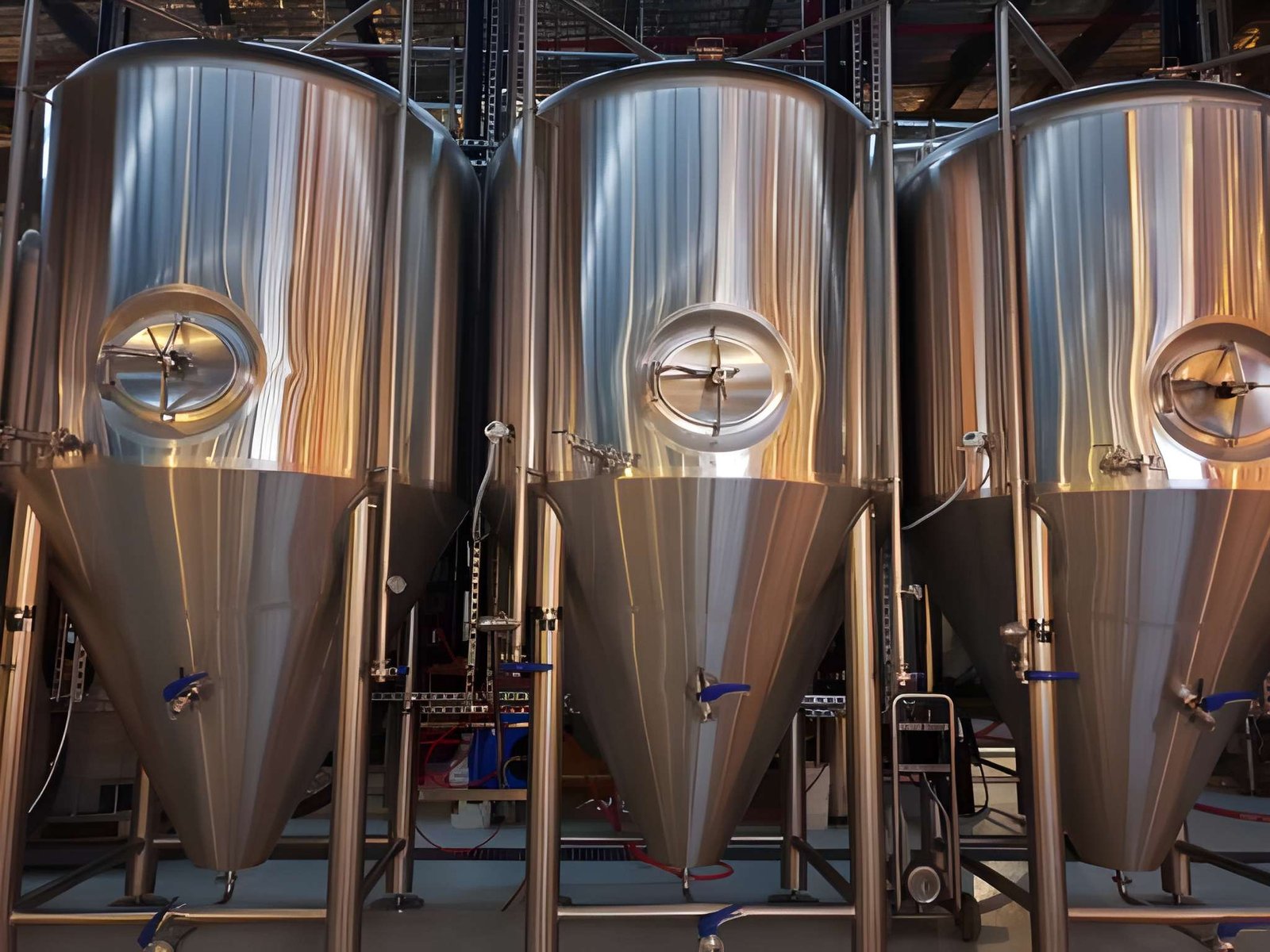
Australia’s craft gin scene has grown significantly, with over 300 craft distilleries operating across the country as of 2024. Victoria, Tasmania, South Australia, and Western Australia are the 4 leading gin-producing states. Melbourne functions as the retail and tasting hub for many of these producers, with bottle shops and bars offering access to gins that are not distributed nationally.
The use of Australian native botanicals is the defining characteristic of local craft gin. Botanicals like lemon myrtle, wattleseed, finger lime, Tasmanian pepperberry, quandong, and river mint create flavour profiles that have no equivalent in European gin traditions.
What Makes Boutique Gin Different
Boutique gin differs from mass-produced gin in 4 areas:
- Batch size: Small batches allow distillers to adjust botanical ratios with precision and maintain quality consistency.
- Botanical sourcing: Many boutique producers source fresh or locally grown botanicals rather than dried commodity ingredients.
- Distillation attention: Small-batch distilling allows the distiller to make manual cuts during distillation, separating the “hearts” (the desirable middle fraction) with greater care.
- Transparency: Boutique labels typically list all botanicals, the base spirit, and distillation method, giving drinkers full visibility into what they are drinking.
Tasting Experiences and Gin Masterclasses
A structured gin tasting or masterclass gives you practical knowledge that accelerates your palate development. In a tasting format, you typically work through 4 to 6 gins presented blind or in order from light to bold, assessing nose, palate, and finish on each before moving to the next.
Gin masterclasses in Melbourne teach you to identify botanical categories by aroma, understand how production methods affect flavour, and build a G&T or cocktail that complements a specific gin. The Gin Masterclass at Here’s Looking At You, Kid is one of the most accessible options in Melbourne for both beginners and experienced gin drinkers who want a more guided experience.
Common Mistakes When Drinking Gin
Overpowering the Gin with Mixers
The most common mistake gin drinkers make is using too much mixer relative to the amount of gin. A 1:3 or 1:4 gin-to-tonic ratio reduces the gin’s botanical presence to near-nothing, particularly with subtly flavoured craft gins.
Stick to a 1:2 ratio as your default. If a gin is particularly robust, a 1:2.5 ratio works. The gin should be the dominant flavour in the glass, with the tonic or mixer acting as a supporting element.
Using the Wrong Garnish
Using a lime wedge with a floral gin or a rosemary sprig with a citrus-forward gin can actively work against the drink. The garnish should match the botanical profile of the gin.
There are 3 rules for garnish selection:
- Match citrus garnishes to citrus-forward gins.
- Match herbal garnishes to juniper or herb-dominant gins.
- Match floral garnishes to floral or delicate gins.
Avoid strong-smelling garnishes like fresh mint with highly aromatic gins, as the mint can overwhelm the gin’s own aromatics.
Ignoring Balance in Cocktails
A well-balanced gin cocktail has 4 components in proportion: spirit, sweet, sour, and dilution (from ice or soda). Removing or over-indexing any one of these creates a drink that is either too sharp, too sweet, too weak, or too strong.
When a cocktail tastes flat or harsh, adjust in small increments. A few extra drops of citrus can sharpen a dull drink. A small amount of simple syrup can soften a sour edge. Balance is the goal.
Gin for Beginners: Where to Start
Start with a gin and tonic using a quality London Dry gin and premium tonic water. This is the simplest way to understand what gin tastes like before adding complexity.
There are 5 steps for gin beginners:
- Buy a bottle of London Dry gin with a clean, classic profile (Tanqueray, Beefeater, or a well-regarded Australian dry gin).
- Buy a premium tonic water that matches the gin’s style (dry tonic for dry gin, Mediterranean tonic for citrus gin).
- Build your first G&T using a 1:2 ratio in a copa glass with a large ice cube.
- Taste the gin neat before mixing to understand its base flavour.
- Experiment with one garnish change per drink to understand how aromatics alter the experience.
Once you are comfortable with the G&T, move to a Negroni or Tom Collins to see how gin behaves in a balanced cocktail. After that, start exploring Australian craft gins with native botanicals to see how far the spirit’s flavour range extends.
Frequently Asked Questions About Enjoying Gin
What is the best way to drink gin for the first time?
The best way to drink gin for the first time is in a gin and tonic using a 1:2 ratio of gin to premium tonic water, served in a copa glass over a large ice cube with a citrus garnish.
What mixer goes best with gin?
Dry tonic water goes best with most gins, particularly London Dry styles. Elderflower tonic suits floral gins, and grapefruit tonic suits citrus-forward gins.
Can you drink gin straight?
Yes, gin can be drunk straight. Pour 30ml at room temperature into a small tulip glass and sip slowly to assess the full botanical profile.
What is the difference between London Dry Gin and Australian gin?
London Dry Gin is made under strict production rules that prohibit additives after distillation, producing a dry, juniper-forward spirit. Australian gin has no such restrictions and commonly uses native botanicals, producing more varied and regionally distinctive flavour profiles.
How much tonic should I use in a gin and tonic?
Use 60ml (2 fl oz) of tonic for every 30ml (1 fl oz) of gin as a standard starting ratio. Adjust to taste, but avoid going beyond 1:3 as it dilutes the gin’s character significantly.
What glassware is best for gin?
A copa (balloon) glass is best for gin and tonics. A Nick and Nora glass suits stirred cocktails. A highball glass suits long mixed serves.
What is a Gin Masterclass?
A Gin Masterclass is a structured tasting and education session where participants learn to identify botanicals by aroma, understand how gin is made, and build gin-based drinks from scratch. Sessions like the Gin Masterclass at Here’s Looking At You, Kid in Melbourne include guided tastings of multiple gins across different styles.
Does the brand of tonic water matter?
Yes, tonic water brand affects the final drink. Premium tonics like Fever-Tree, Capi, or Strangelove use higher quality quinine, less sugar, and finer carbonation, which lets the gin’s flavour remain the focus. Standard commercial tonic is sweeter and can mask botanical complexity.
Final Thoughts on How to Enjoy Gin in Australia
Enjoying gin in Australia comes down to 4 fundamentals: understanding the gin’s botanical profile, choosing the right mixer and garnish, using the correct ratio, and serving in appropriate glassware. When these 4 elements align, the gin’s character is clear rather than buried, and each drink becomes more interesting than the last.
Australia’s craft gin scene gives drinkers access to spirits that reflect genuinely local character, from Tasmanian pepperberry heat to finger lime brightness to the clean eucalyptus note of native botanicals from the Australian bush. That diversity means there is a gin suited to almost every palate in the country.
