
What is Gin Made From? The Ultimate Australian Guide to Ingredients & Process

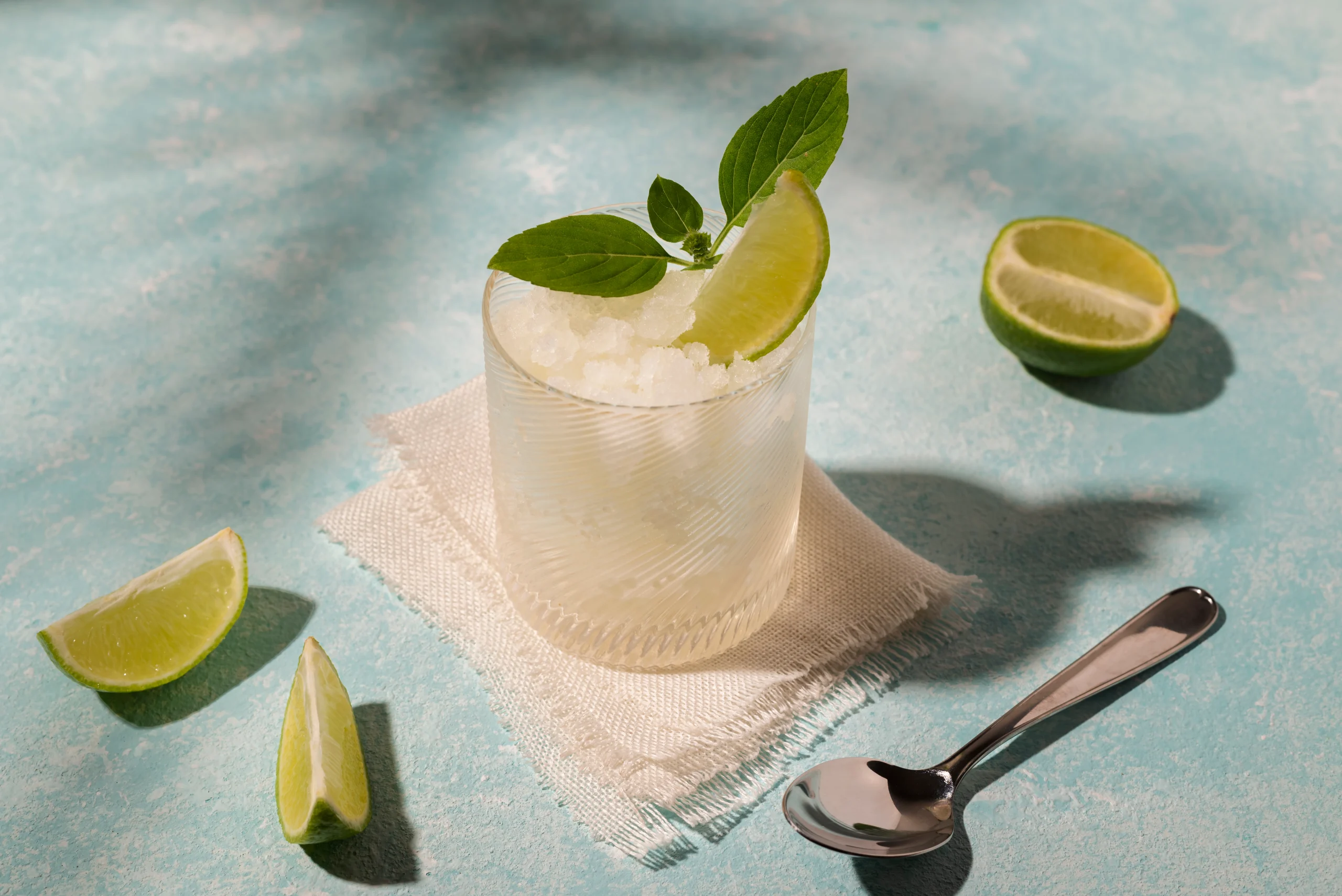
Gin is made from a neutral base spirit, usually grain spirit, and flavoured with juniper berries plus other botanicals. That mix gives gin its piney, citrusy, spicy profile, and it is what separates gin from vodka, which starts with a similar base spirit but does not need the same botanical flavouring. Gin production uses a distillation process that can include maceration, vapour infusion, percolation, or modern cold and vacuum distillation. The final spirit works well in Gin and Tonic, Martinis, and Negronis, and it comes in styles such as London Dry Gin, Plymouth Gin, Old Tom Gin, and Navy Strength Gin.
For drinkers, bartenders, and anyone comparing gin brands, the answer matters for three simple reasons. First, the base spirit affects the body and texture. Second, the botanicals shape gin flavours. Third, the gin production method changes aroma, clarity, and strength. That is why one bottle can taste clean and sharp while another can taste floral, herbal, or rich.
What Exactly is Gin?
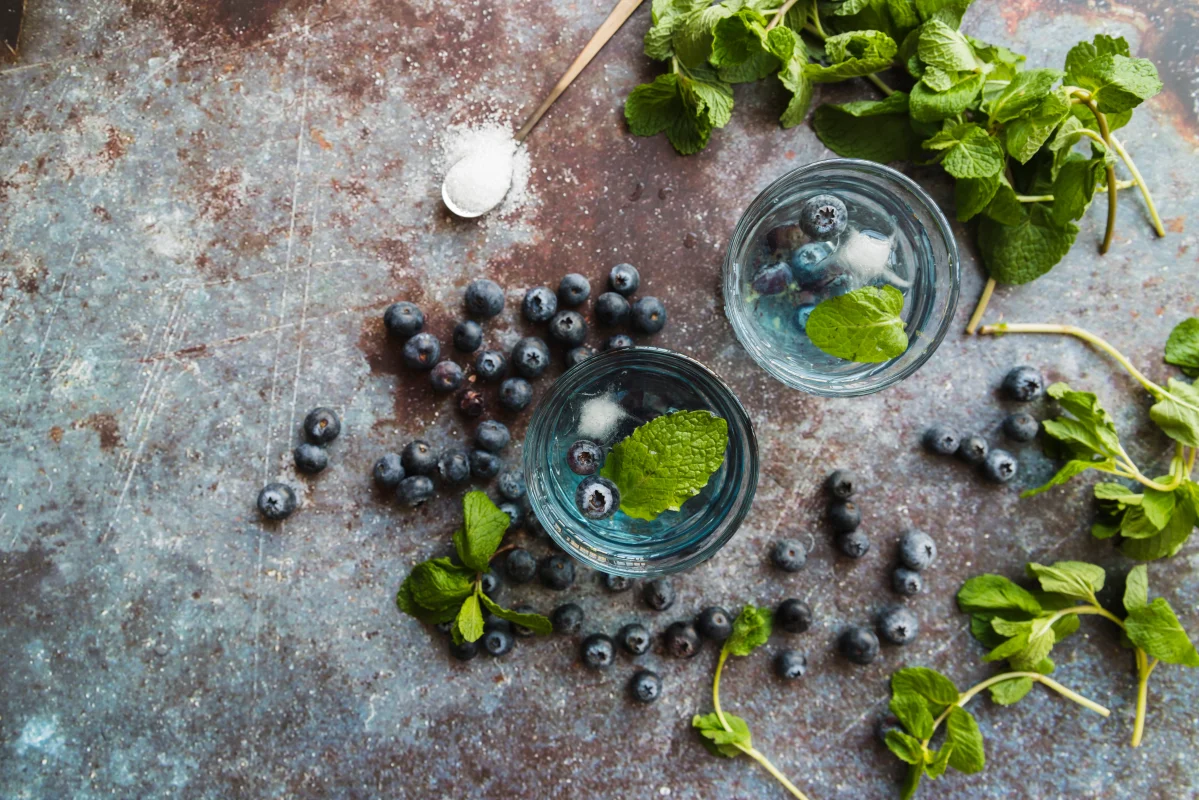
Gin is a distilled spirit flavoured with juniper berries. Juniper gives gin its main character, and other botanicals build the rest of the flavour profile. A gin recipe can include coriander seeds, angelica root, orris root, citrus peel, cassia bark, lemon myrtle, finger lime, pepperberry, and many other gin botanical ingredients.
Most modern gin starts as a clear spirit, then the distiller adds botanicals during the gin distillation process. The result is not flavoured gin in the simple sense. Gin has a defined botanical identity, and juniper must lead the flavour.
The Base Spirit: What is the Alcohol in Gin?
Gin starts with a neutral spirit. This base spirit is usually made from grain, but it can also come from grapes, sugarcane, or other fermentable sources. The key point is neutrality. The base alcohol should be clean enough to carry botanicals without fighting them.
The alcohol in gin is ethanol and water, just like in other distilled spirits. The difference comes from what happens after distillation. Gin is distilled with aromatics, so the distiller shapes the spirit with juniper and other botanicals.
Grain-Based vs. Grape-Based Spirits
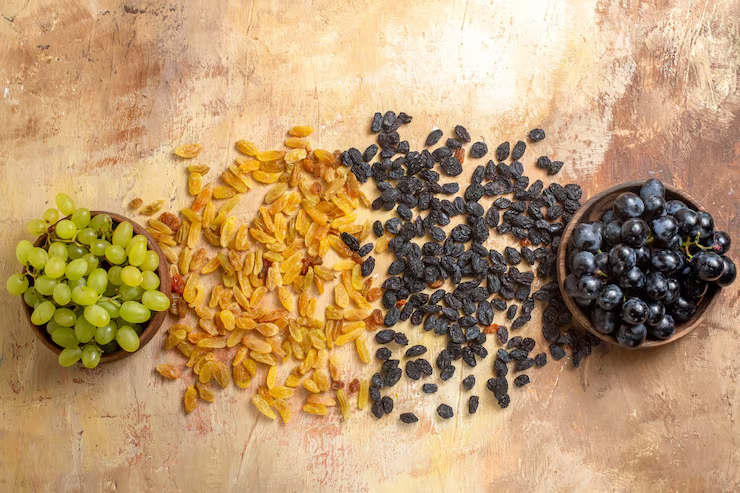
Grain-based spirit is the most common base for gin. Distillers often use wheat, barley, corn, or rye because these grains can produce a clean, reliable neutral grain spirit (NGS). Barley can bring a slightly softer feel, while corn can create a very neutral base when it is distilled well.
Grape-based spirits also appear in some gin styles. These spirits can add a rounder mouthfeel and a faint fruit note, but the botanicals still drive the final taste. The base spirit quality matters, but the botanical recipe matters more.
The Role of Neutral Grain Spirit (NGS)
Neutral grain spirit (NGS) is the most common starting point for gin production. It is highly rectified, which means it has been distilled to remove most flavour from the fermented wash. That blank canvas lets the distiller build a precise botanical infusion process.
A good NGS should be clean, smooth, and consistent. It should not dominate the finish. It should support juniper, citrus peel, coriander seeds, angelica root, and orris root.
The Essential Ingredients: Juniper and Beyond
Gin ingredients always begin with juniper berries. Juniper is the legal and sensory heart of gin. Everything else in the botanical recipe supports or balances it.
Why Juniper Berries are the Soul of Gin
Juniper berries give gin its dry pine, resin, and forest-like aroma. They also add pepper, citrus, and a light herbal note. Without juniper berries, the spirit no longer tastes like gin in the classic sense.
Gin makers use juniper in different forms. Some use whole berries. Some crush them before maceration. Some place them in a basket for vapour infusion. The method changes how strong the juniper berry base tastes in the final spirit.
Native Australian Botanicals: Lemon Myrtle, Finger Lime, and Pepperberry
Australian gin has a clear local identity. Native botanicals such as lemon myrtle, finger lime, and pepperberry give gin a bright regional edge. Lemon myrtle adds a clean lemon note. Finger lime brings sharp citrus lift. Pepperberry adds spice and warmth.
These local herb and spice choices sit well alongside juniper berries, coriander seeds, and citrus peel. They create complex flavour profiles that suit craft gin and modern Australian gin brands.
The “Holy Trinity”: Coriander Seed, Angelica Root, and Orris Root
Coriander seeds, angelica root, and orris root form a classic botanical base in many gin recipes. Coriander seeds often add citrus and light spice. Angelica root helps bind the flavours and adds earthy dryness. Orris root adds floral depth and acts as a fixative.
Many distillers see this trio as the spine of the recipe. Juniper leads, coriander brightens, angelica grounds, and orris smooths the finish.
How is Gin Made? The Distillation Process
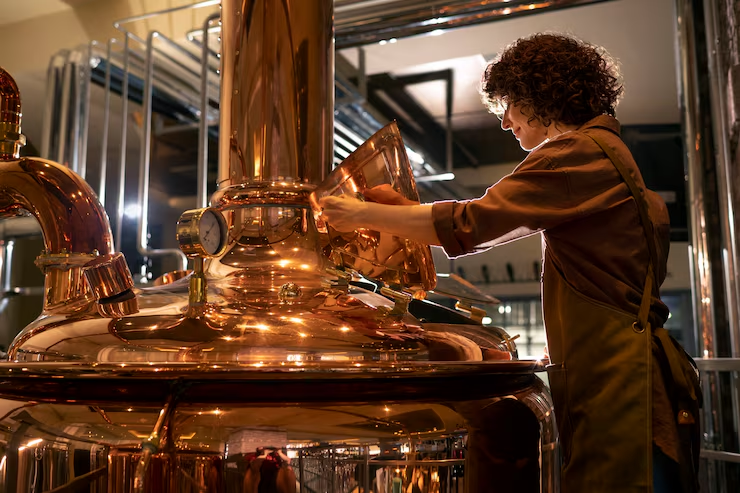
Gin production methods follow a few core steps. The distiller starts with a neutral spirit, adds botanicals, then uses heat and condensation to capture flavour. The method chosen affects strength, clarity, and aroma.
Maceration (Steeping) vs. Vapour Infusion
Maceration means soaking botanicals in the base spirit before distillation. This pulls out oils and flavour compounds directly into the liquid. It often creates a fuller, richer taste.
Vapour infusion means the spirit passes through a basket of botanicals during distillation. The rising vapour extracts lighter, fresher aromas. This approach often gives a brighter, cleaner profile.
Some distillers combine both methods. That blend gives more control over gin flavours and lets the distiller fine-tune each batch.
Traditional Pot Stills vs. Modern Column Stills
Copper pot stills are common in craft gin production. Copper helps clean up sulphur compounds and can round out the spirit. Pot still production gives distillers close control over flavour and cut points.
Column stills are often used to make a very neutral base spirit before botanical distillation. Column still refinement helps create a clean canvas for gin botanical ingredients.
Many gin brands use both still types in one process. One stage makes the neutral base. Another stage builds the aroma.
The Modern Edge: Cold and Vacuum Distillation
Cold distillation and vacuum distillation let distillers work at lower temperatures. That helps protect delicate botanicals such as citrus peel, lemon myrtle, and other bright botanicals.
These gin production methods can produce fresher, more vivid flavours. They also give distillers another way to manage heat-sensitive compounds in modern craft gin.
Gin vs. Vodka: Key Differences Explained
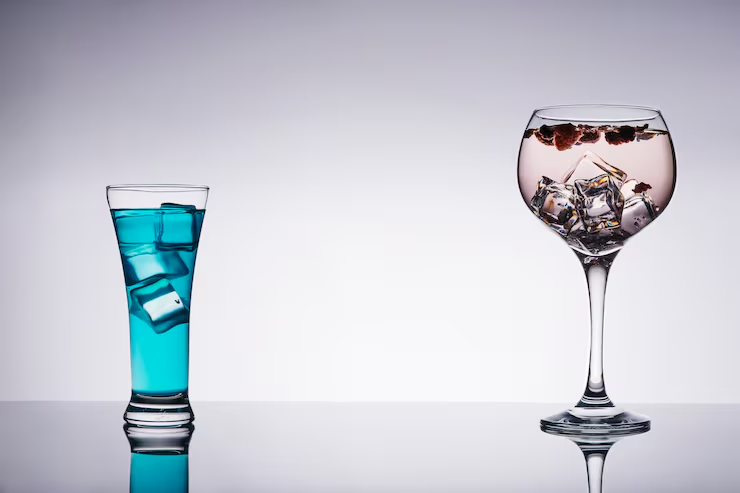
Gin and vodka often start from a similar base spirit, but they do not finish as the same drink. Vodka aims for neutrality. Gin aims for botanical flavour, with juniper as the main marker.
Vodka can use grain, potatoes, grapes, or other sources. Gin can use many of the same sources. The difference sits in the flavouring ingredients and the distillation process. Gin is distilled with botanicals. Vodka is usually filtered and polished for neutrality.
Is it True You Can Make Gin From Vodka?
Yes, you can make a gin-style spirit from vodka by redistilling it with juniper berries and other botanicals. This is a common home and small-batch approach. The result depends on the vodka quality, the botanical recipe, and the still used.
A clean vodka can work as a base, but a proper neutral grain spirit usually gives better control. The final spirit still needs to meet gin standards, which means juniper must remain the main flavour.
Understanding Different Types of Gin
Gin comes in several styles. Each one uses the same basic idea, but the balance of sweetness, strength, and botanicals changes.
Traditional London Dry Gin
London Dry Gin is the best-known style. It is dry, crisp, and heavily shaped by juniper. The style usually avoids added sweetening after distillation. That gives a sharp, clean finish that works well in a Gin and Tonic or Martini.
Navy Strength Gin: The Historical Powerhouse
Navy Strength Gin sits at a higher proof than standard gin. It has a bold profile and a stronger alcohol bite, but good versions still keep the botanicals clear. The higher strength can make the flavours stand out in cocktails such as a Negroni.
Navy strength gin is typically 57% ABV or higher and originated from 18th-century British Royal Navy practices. It was designed to ensure that if gin spilled onto gunpowder stored nearby, the powder would still ignite, proving the spirit was not watered down. This robust, 100+ proof (British) strength allowed for safer, compact transport.
Distilled Gin vs. Gin Liqueur: The 37% ABV Rule
Distilled gin is made by redistilling neutral spirit with botanicals. Gin liqueur is sweeter and often lower in strength. In Australia and many other markets, the gin category often uses a minimum alcohol by volume (ABV) threshold for distilled gin, while products below that level may fall into a liqueur style instead.
That difference matters for labelling, flavour, and cocktail use. A true distilled gin usually tastes drier and more structured.
Explore the Here’s Looking At You, Kid Collection: Award-Winning Melbourne Gins & Vodkas
Here’s Looking At You, Kid brings a local Melbourne point of view to gin production. The collection reflects craft gin, Australian botanicals, and small-batch distillation. Explore the full range in the Gin Distillery Melbourne menu, or visit the Gin Gift Pack in the SHOP section.
Wild Rose Gin
Wild Rose Gin brings floral notes into the bottle. It suits simple serves and bright cocktail builds.
Errol St Blues Gin
Errol St Blues Gin carries a stronger urban craft identity. It suits drinkers who like layered gin flavours.
Sunset Gin
Sunset Gin leans into warm, easygoing flavour balance. It works well for relaxed evening serves.
Yam Daisy Gin
Yam Daisy Gin highlights native Australian character. It shows how local botanicals can shape a modern gin style.
Triple Distilled Vodka
Triple Distilled Vodka offers a clean base for mixed drinks. It also shows the distillery’s control over spirit refinement.
Triple Distilled Barrel Aged Vodka
Triple Distilled Barrel Aged Vodka adds oak influence and extra texture. It suits drinkers who want more depth from vodka.
Christmas Gin
Christmas Gin uses seasonal spice cues. It suits gifting and festive cocktails.
Courthouse Gin
Courthouse Gin carries a structured, classic profile. It works for drinkers who prefer a drier style and was made specifically for the Courthouse Hotel in North Melbourne.
Personalised Gin and Vodka
Personalised gin and vodka give customers a custom option for gifts, events, and club orders. For custom bottles, product enquiries, or private requests, go to the Contact Gin Distillery page.
Frequently Asked Questions
What is the main ingredient in gin?
The main ingredient in gin is juniper berries. Juniper defines the spirit.
Is gin gluten-free?
Gin is often gluten-free after distillation, even when the base spirit starts from grain. The distillation process removes gluten proteins in the finished spirit, but people with severe intolerance should check the label and the producer’s statement.
Why is Melbourne the gin capital of Australia?
Melbourne has a strong craft drinks culture, a large distilling scene, and a market that supports small producers. That mix has helped many gin brands grow.
Is gin made from potatoes or grain?
Gin is usually made from grain. Potatoes can be used for some base spirits, but grain spirit is far more common.
What are the legal requirements for gin in Australia?
Gin in Australia must be a spirit flavoured predominantly with juniper. Distillers also use other botanicals, but juniper remains the main botanical marker.
Everything Gin
Gin is made from neutral spirit, usually grain spirit, plus juniper berries and other botanicals. The base spirit gives the alcohol, while the botanicals give the flavour. The distillation process, the still type, and the botanical recipe all shape the final drink. That is why gin can taste dry, citrusy, floral, spicy, or deeply herbal, depending on the gin production methods used.
For the clearest example, look for gin brands that treat the base spirit, juniper berries, coriander seeds, angelica root, orris root, and citrus peel as part of one balanced botanical recipe. That is the core of what gin is made from, and it is the reason gin remains such a flexible spirit for cocktails, gifting, and modern Australian craft distilling.
