
How Many Calories are in a Gin and Tonic? The Definitive 2026 Guide

A gin and tonic drink usually has about 110 to 140 calories in a standard serve, depending on the gin pour, the tonic water, and the garnish. A 30ml measure of gin with regular tonic water sits near the higher end of that range, while a gin and diet tonic sits much lower. This guide breaks down gin, tonic water, sugar content, calories, and the small changes that make a gin and tonic one of the easier mixed drinks to track in calorie counting apps. For the distillery behind the range, visit the Best Gin Distillery Melbourne.
The Quick Answer: Exactly How Many Calories are in Your G&T?
A single 30ml gin with regular tonic water is usually around 115 to 130 calories. A double can move closer to 180 to 220 calories, depending on the tonic and the size of the glass. A gin and diet tonic often drops to about 65 to 75 calories, which makes it one of the lower-calorie cocktails in the mixed drinks category. No need to deprive yourself of the enjoyment if you are on a diet!
The main driver is tonic water. Gin contributes alcohol calories, while tonic water contributes sugar calories. A lime wedge adds almost nothing.
Breaking Down the Numbers: Calories in Gin vs. Tonic Water
Gin and tonic calories come from two places: the gin and the tonic water. The gin brings alcohol calories. The tonic water brings sugar content. The garnish usually adds very little.
Calories in a Standard Measure of Gin (30ml)
A 30ml serve of 40% ABV gin has about 65 to 70 calories. A 60ml double has about 130 to 140 calories.
Gin is a distilled spirit, so the calorie count mostly comes from alcohol itself. Vodka, rum, whiskey, and liqueurs all follow the same broad rule. More alcohol means more calories. The flavour profile changes, but the calorie count usually stays close unless sugar or flavouring has been added.
For weight management, the measure matters more than the brand. A neat 30ml pour keeps the calorie count predictable. A heavy pour changes the whole drink.
Regular Tonic Water vs. Slimline Tonic: The Sugar Factor
Regular tonic water adds most of the extra calories in a gin tonic. A standard pour can add 40 to 80 calories, depending on the brand and the amount used. Schweppes and other tonic water brands vary, so the nutrition facts label matters.
Slimline tonic water, diet tonic water, or zero sugar tonic water usually adds almost no calories. That is why a low calorie gin and tonic works best with a sugar-free mixer. The calorie drop can be large, even when the gin stays the same. Sugar free mixers are excellent for people who are on low sugar diets or are diabetic.
This is the clearest place to check nutritional information labels. Tonic water calories can change a lot between brands, and bartending pour sizes can change the final count even more.
The Garnish Impact: Do Lemons, Limes, or Berries Add Calories?
A lime wedge, lemon slice, or a few berries adds very few calories. In most cases, the garnish is negligible.
A lime wedge usually adds 1 to 2 calories. A lemon slice is similar. Berries can add a little more, but the total still stays low. The garnish changes the look and aroma more than the calorie count.
Does the Type of Gin Matter? (Dry Gin vs. Flavoured Gin)
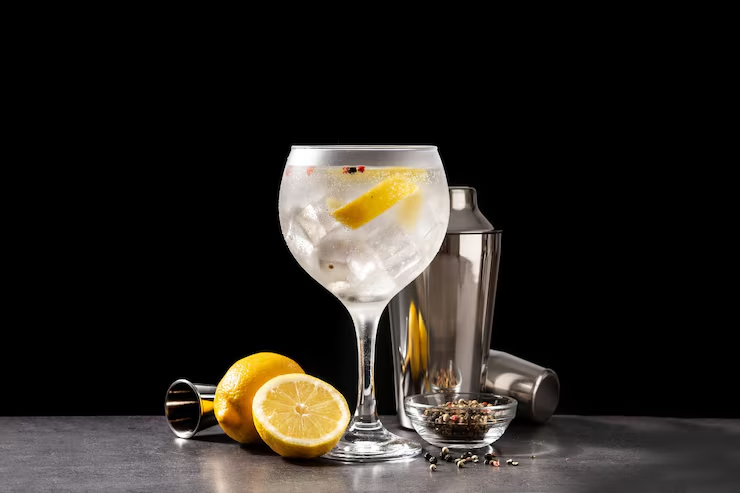
Yes, the type of gin can change the calorie count a little.
Dry gin usually has the cleanest calorie profile. Flavoured gin, pink gin, and fruit-infused gin can contain extra sugar or added flavour compounds, so the calories can rise. The difference is often small per serve, but it matters across several drinks.
The Caloric Difference in Pink and Fruit-Infused Gins
Pink gin and fruit-infused gin often sit a little higher than classic dry gin. Some flavoured gins stay close to standard gin calories, while others carry extra sugar and land higher.
That is why the label matters. Two bottles can look similar and still have different nutrition facts. A flavoured gin can turn a lower-calorie mixed drink into a sweeter one with more beverage calories.
Why High ABV “Navy Strength” Gins Pack More Calories
Navy strength gin has a higher alcohol by volume (ABV), so it has more calories per pour. Alcohol contains about 7 calories per gram, so a stronger spirit brings a higher calorie load.
That does not make navy strength a better or worse choice on its own. It simply means the standard pour carries more alcohol calories. In a gin and tonic drink, the mixer still matters, but the spirit size and strength matter too.
Explore the Here’s Looking At You, Kid Collection: Premium Melbourne Spirits
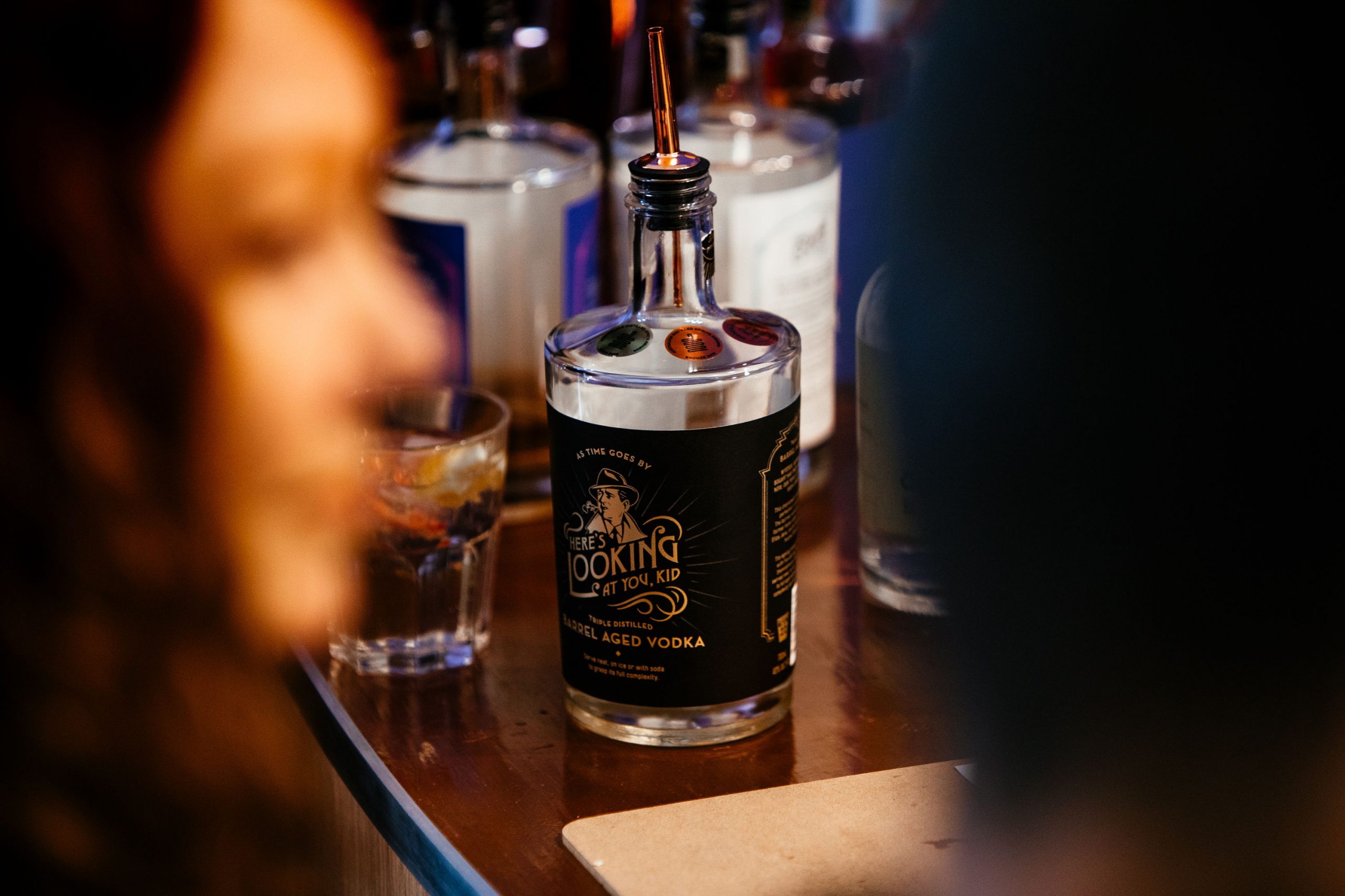
The Here’s Looking At You, Kid range suits people who want a simple gin and tonic, a low calorie cocktail, or a bottle for cocktail recipes at home. Browse the full range on the Shop Gin Gift Pack page.
Alcohol Units and Your Health: What’s Really in a G&T?
A gin and tonic is not a health drink. It is a mixed drink with alcohol calories, sugar calories, and standard drinks that add up faster than many people expect.
Calculating Standard Drinks
In Melbourne, Australia, a 30ml pour of 40% gin is just under 1 standard drink. A larger serve or a double can move the drink to around 1.5 to 2 standard drinks, depending on the pour and the mixer.
The calorie count and the standard drink count do not always move in lockstep. A diet tonic keeps the calories down, but the alcohol is still there. That matters for weight management, driving limits, and alcohol tracking.
How Alcohol Metabolism Affects Weight Loss
Alcohol metabolism takes priority in the body. The liver processes alcohol first, which slows the way the body handles other fuel sources.
That matters for weight loss. A gin and tonic can fit into a calorie-controlled plan, but several drinks in one night can push the total up fast. Calorie counting apps help, but the best check is the amount poured into the glass.
Will Gin and Tonic Give You a Hangover?
A gin and tonic can give you a hangover if the total alcohol intake is high enough. Gin is often seen as a cleaner choice, but the real issue is still alcohol, hydration, and sugar.
Congeners and Clarity: Why Gin is a “Cleaner” Choice
Gin usually has fewer congeners than darker spirits such as whiskey and rum. Congeners are compounds that can make some drinks feel harsher the next day.
That does not mean gin prevents a hangover. It often feels lighter than some other spirits, but too much alcohol still leads to headache, fatigue, and poor sleep.
The Role of Hydration and Sugar in Your Morning-After
Hydration helps. Water between drinks, a lower-sugar mixer, and a slower pace can reduce the next-day strain.
Sugar content matters too. A regular tonic water adds extra sugar, which can make the drink feel heavier. A diet tonic water can make the drink easier to count and easier to keep light.
Does Gin Have Any Actual Health Benefits?
Gin does not have meaningful health benefits as a drink. Juniper berries and quinine have a long history, but the modern drink is a cocktail ingredient, not a health tonic.
The History of Juniper and Quinine
Juniper berries give gin its botanical base. Quinine gave tonic water its original bitter edge. Both ingredients have a long history in mixology and beverage culture.
That history does not turn the drink into medicine. Modern tonic water is mostly about flavour, fizz, and sugar content. The old medicinal story belongs to history, not to the nutrition facts label.
Antioxidants and “The Healthiest Spirit” Myth
The idea that gin is the healthiest spirit is a myth. There is no meaningful health benefit in a standard gin and tonic.
A lower-calorie cocktail is still a cocktail. Gin can be a better choice than some sweeter mixed drinks, but that is a calorie comparison, not a health claim.
Frequently Asked Questions
Is gin the lowest calorie alcohol?
Gin is one of the lower-calorie spirits per standard pour, but vodka, whiskey, and rum sit in a similar range when served neat. The mixer changes the final drink far more than the spirit does.
Is gin and tonic keto-friendly?
A gin and tonic can fit a keto-style plan when you use diet tonic water or zero sugar tonic water. Regular tonic water usually adds too many carbs for a strict low carb gin and tonic.
How many calories are in a 440ml can of pre-mixed G&T?
A 440ml can of pre-mixed G&T usually has about 120 to 250 calories, depending on the brand, sugar content, and alcohol strength. The can label gives the clearest answer.
Does tonic water have more sugar than lemonade?
Usually no. Regular tonic water often has less sugar than full-sugar lemonade, but the exact number depends on the brand. Nutrition facts labels give the real comparison.
