
What Is Sloe Gin? A Complete Guide for Australian Drinkers

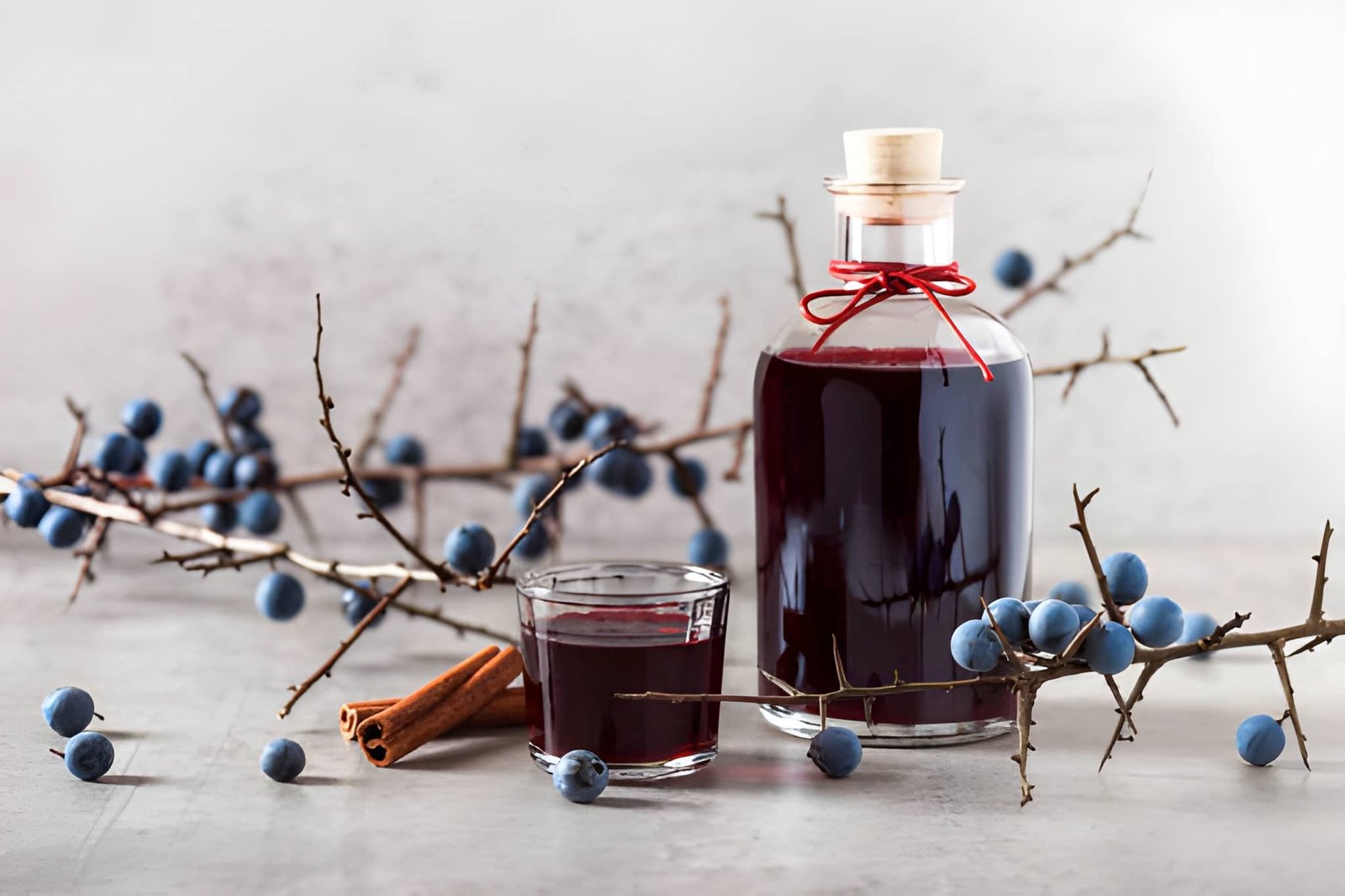
Sloe gin is a gin-based fruit liqueur made by steeping sloe berries in gin with sugar, then leaving the mix to mature until it turns deep ruby red and picks up a sweet yet tart, rich raisin-like flavor. It sits between Gin and Berry Liqueurs, which is why many drinkers treat it as a winter warmer gin, an after dinner cordial, or a cocktail ingredient spirit for Sloe Gin Cocktails.
What Exactly Is Sloe Gin?
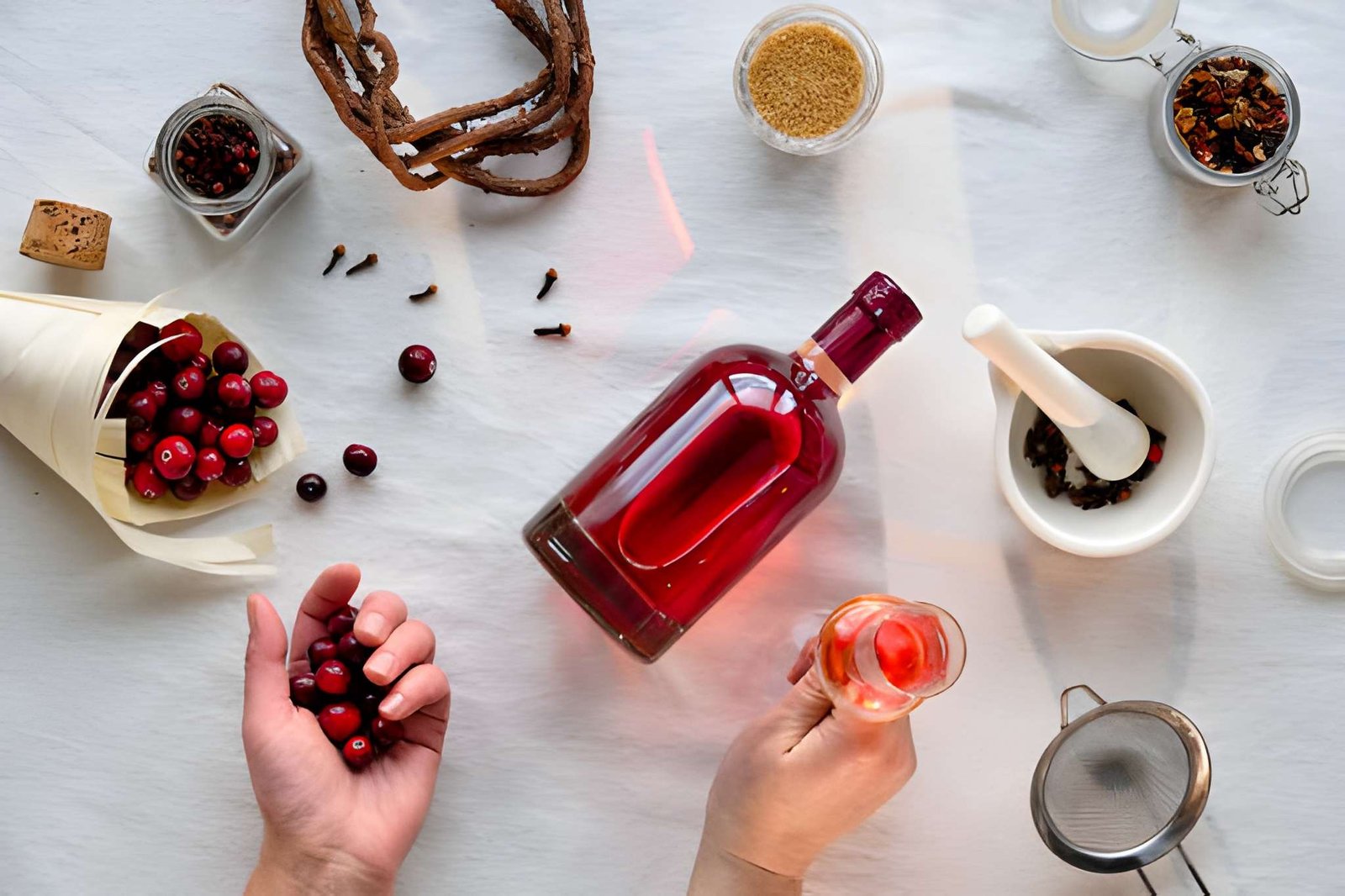
Sloe gin is a sweetened gin beverage built on a gin base, not a plain spirit. The fruit comes from sloe berries, the small purple fruit of prunus spinosa, a thorny hedgerow shrub found across Europe and the UK. The result is a Traditional English liqueur with a distinct berry profile, deeper colour, and lower ABV (Alcohol By Volume) than standard Gin.
The flavour sits in a useful middle ground. Sloe gin is not as dry as Gin and not as syrupy as some fruit liqueurs. That balance makes it easy to drink sloe gin neat, over ice, or in sloe gin cocktails.
The History of Sloe Gin

Sloe gin has a long-storied history that reaches back to the 17th century. Sloe berries grew along Hedgerows in Britain, and those hedges became more common under the British Enclosure Acts. Foraging for wild fruit turned into a practical way to use what the land offered, especially after the first frost softened the berries’ harsh edge.
By the 19th century, sloe gin had become better known in Britain as gin production and bottling improved. Craft distilleries later helped bring it back into focus in the 20th century and beyond, especially as bars around the world started using it in modern cocktail lists. The drink now feels at home in autumn and winter, but it no longer belongs only to cold weather.
How Sloe Gin Is Made

Sloe gin production relies on infusion rather than distillation. The sloe berries are pricked or lightly frozen, then soaked in gin with sugar. The mix rests for weeks or months, and the liquid pulls out colour, fruit, and tannin. That Infusion process creates a Prunus spinosa infusion with a deep fruity flavour and a dark red or purple colour.
Key Ingredients
The core sloe gin ingredients are simple: sloe berries, Gin, and sugar. Many makers also use botanicals already present in the base spirit, such as juniper and coriander seed. Those botanicals shape the final flavour before the fruit and sugar take over.
Traditional Infusion Process
Traditional making starts with ripe sloe berries, often picked after the first frost. The berries are added to gin and sugar in a sealed jar or vessel. Over time, the liquid takes on a deep ruby red tone and a sweet yet tart flavour with earthy raisin-like notes. That style feels closer to a gin liqueur than a sharp spirit.
Modern Production Methods
Modern Sloe Gin production often uses stainless steel tanks, measured sugar content, and tighter control over steeping time. Some producers go for a cleaner, brighter fruit taste. Others lean into a richer berry flavour with notes of blackberries, cinnamon, almond, and stone fruit. Craft distilleries now make more polished versions than the cheap, sugary bottles that once gave the category a poor name.
Sloe Gin vs Gin: What’s the Difference?
Gin is a distilled spirit built around juniper and botanicals. Sloe gin is a fruit liqueur built on Gin, sugar, and sloe berries. That is the main difference.
Gin is usually clear, dry, and higher in alcohol content. Sloe gin is usually red or purple, sweeter, and lower in ABV. Gin works as a base spirit for countless drinks, while sloe gin works best as a flavoured mixer, a winter sipper, or a cocktail ingredient with a softer edge.
What Does Sloe Gin Taste Like?
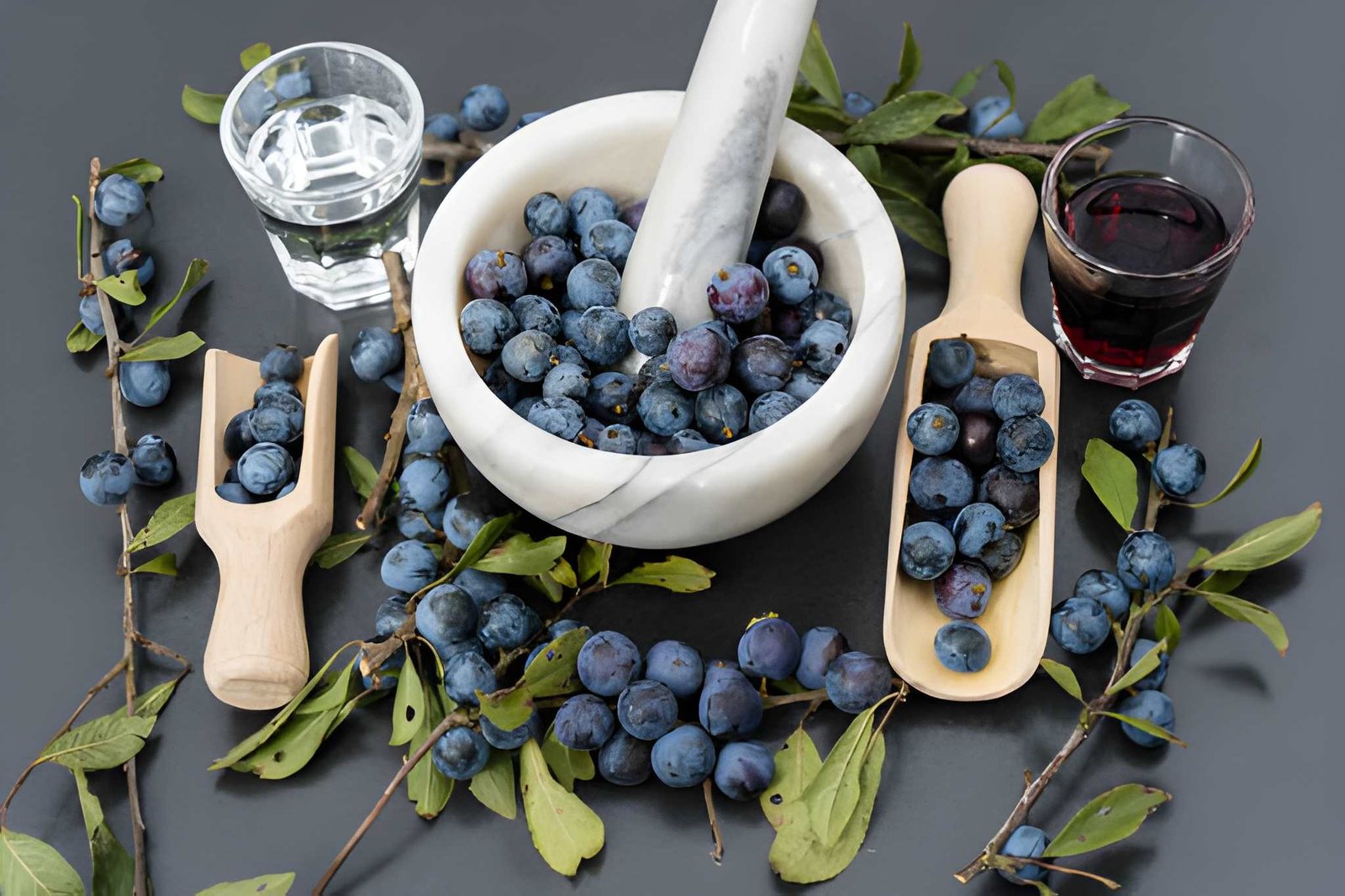
Sloe gin tastes sweet yet tart, with a rich raisin-like flavor, a plum-like fruit note, and a warm, earthy finish. Good bottles often taste of cherry, almond, and dried fruit. Less balanced bottles can taste too sugary.
High-quality sloe gin should feel rounded, not cloying. The fruit should lead, but the gin base should still show through. That is why a well-made bottle works in a Sloe Gin Fizz or a Sloe Gin Spritz without disappearing into the mixer.
How to Drink Sloe Gin

There are 3 easy ways to drink sloe gin: straight, mixed, or in cocktails. The best choice depends on the bottle and the setting. A richer style suits neat sipping. A lighter style suits long drinks and spritzes.
Drinking It Straight
Serve sloe gin neat, slightly chilled, or over ice. This works well in winter, after dinner, or beside dessert. A small pour is enough because the sugar content makes the drink feel fuller than standard Gin.
With Mixers
Sloe gin pairs well with tonic, soda water, lemonade, Prosecco, and Champagne. Tonic brings bitterness. Soda keeps it crisp. Lemonade softens the drink. Prosecco gives it lift, while Champagne makes it feel more celebratory.
Garnishes That Work Best
Blackberries, cinnamon, orange peel, and fresh herbs suit sloe gin well. Those garnishes echo the berry flavour and keep the drink from tasting flat. A single blackberry in the glass can be enough.
Popular Sloe Gin Cocktails
Sloe gin cocktails work because the liqueur has fruit, sugar, and enough gin character to stand up in mixed drinks. The most recognisable recipes use citrus, bubbles, and light sweetness.
Classic Sloe Gin Fizz
The Sloe Gin Fizz is the classic sloe gin cocktail. It usually combines sloe gin, lemon juice, sugar, and soda water. The drink is bright, fizzy, and easy to drink, which is why it remains popular in bars around the world.
Sloe Gin Spritz
A Sloe Gin Spritz uses sloe gin, sparkling wine, and soda or tonic. It sits closer to a daytime aperitif than a heavy cocktail. It suits warm afternoons, long lunches, and easy entertaining.
Sloe Royale
A Sloe Royale uses sloe gin topped with Champagne. The drink is simple, polished, and festive. It works well when you want the berry flavour of sloe gin with a lighter finish.
Modern Australian Twists
Australian bartenders often fold sloe gin into drinks with native citrus, dry vermouth, or seasonal berries. A Negroni variation with sloe gin softens the bitterness. A Modern Cocktail built with Scotch whisky gives the drink more depth. Some bars also replace part of the sweet vermouth in a gin serve with sloe gin for a richer finish.
How to Make Sloe Gin at Home
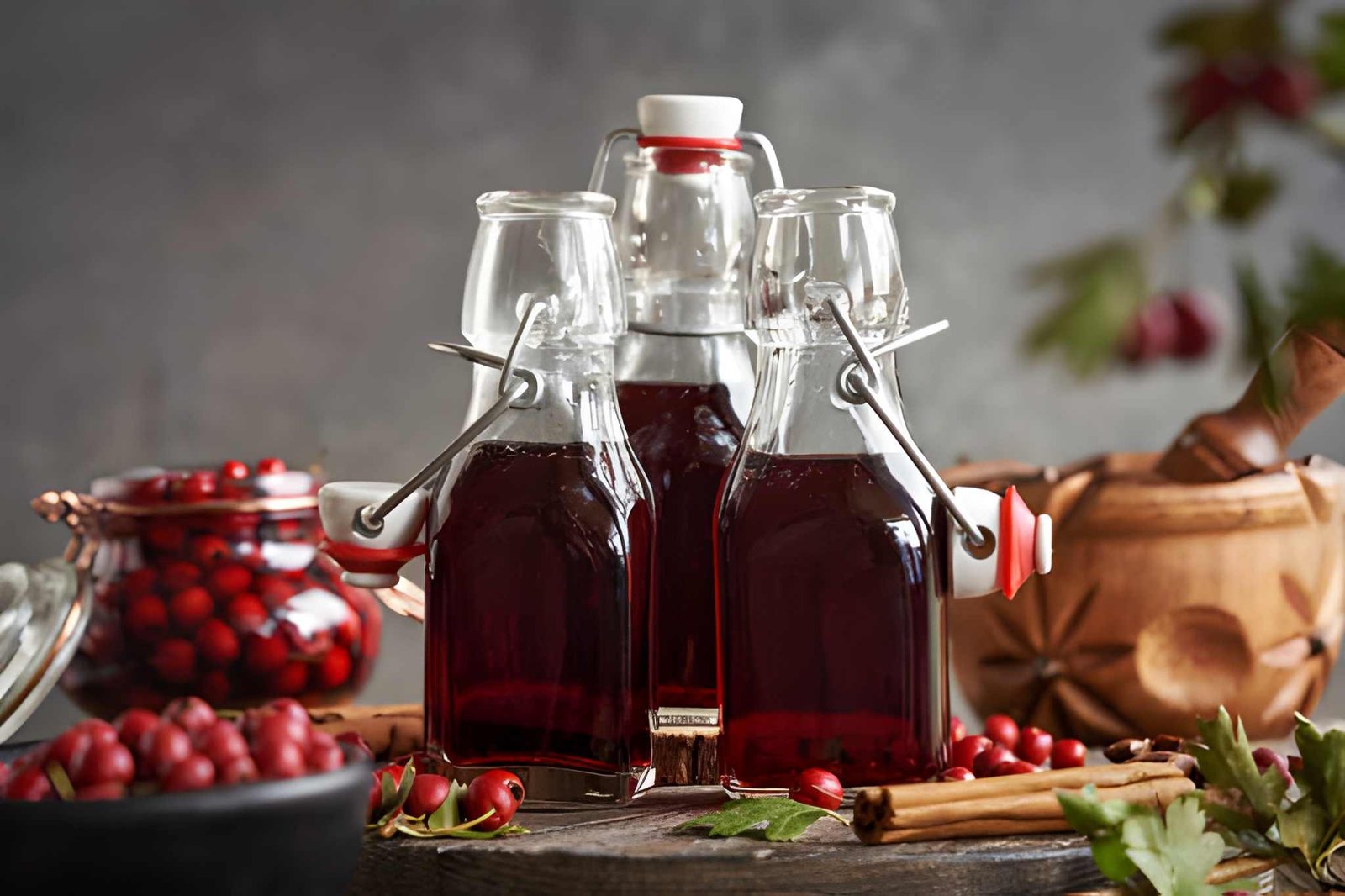
Homemade sloe gin is simple, but it needs time. The result is often better than shop-bought fruit liqueur because you control the sugar and the steep.
What You’ll Need
You need fresh or frozen sloe berries, a decent bottle of Gin, caster sugar, a large sterilised jar, and patience. A wide-mouthed jar makes the process easier. A dark cupboard or pantry helps the infusion settle properly.
Step-by-Step Method
Start by freezing the berries if you do not pick them after frost. Add the berries to the jar, then cover them with sugar and pour in the gin. Seal the jar, shake it, and store it in a cool, dark place. Shake it every few days at first, then less often. Leave it for at least 3 months, and longer if you want a deeper fruit flavour.
Tips for Best Results
Use ripe berries. Use a neutral but good-quality gin base. Taste before bottling and adjust sugar slowly. Strain the liquid well so the final drink stays clean. If you want a richer profile, a small amount of extra steeping time can help.
How Here’s Looking at You Kid, Spirits Helps Its Clients
Here’s Looking at You Kid, Spirits helps clients choose bottles that suit gifting, home bars, and cocktail use. A local brand can make the shopping choice easier, especially for customers who want something personal rather than generic. Start with Gin Distillery Melbourne for the main range, then explore the personalised gin bottle for gifting, events, and custom orders.
Best Sloe Gins to Try in Australia

Australian drinkers often look for a mix of classic and modern bottles. Good examples to check include Hayman’s Sloe Gin, Sipsmith Sloe Gin, William Chase Sloe Gin, Plymouth Sloe Gin, and Bramwell Sloe Gin. Damson Gin sits in a similar fruit liqueur space, but the flavour leans more toward damson plum than sloe berry.
The best bottle depends on what you want. Some are drier and better for cocktails. Some are sweeter and better as a winter sipper. A balanced bottle should show fruit, gin, and a clean finish.
When to Drink Sloe Gin
Sloe gin suits autumn and winter best because the flavour feels rich and warming. It works after dinner, beside cheese, with dessert, or at a bar where you want something softer than straight Gin. It also fits Christmas cocktails, holiday menus, and cold-weather gatherings.
Is Sloe Gin Gluten-Free and Vegan?

Yes, many sloe gins are gluten-free and vegan, but the bottle label matters. Most modern gins are distilled in a way that removes gluten proteins, and the sloe berry infusion itself is plant-based. Some bottles still use additives, flavourings, or production methods that change the answer, so checking the label stays wise.
FAQs About Sloe Gin
Is sloe gin actually gin?
No. Sloe gin is a gin-based liqueur, not plain gin. It starts with gin, then adds sloe berries and sugar.
Why is sloe gin sweeter than gin?
Sloe gin is sweeter because sugar is added during the infusion process. The fruit also gives it a rounder, softer taste.
Can you drink sloe gin on its own?
Yes. Many people drink sloe gin neat, chilled, or over ice.
Does sloe gin go off?
Sloe gin keeps for a long time if it is sealed and stored well. Once opened, it is best kept cool and away from direct light.
What is the alcohol content of sloe gin?
ABV (Alcohol By Volume) varies by bottle, but sloe gin usually sits below standard Gin because sugar and fruit lower the overall strength.
Is sloe gin popular in Australia?
Yes, interest in sloe gin has grown in Australia as more drinkers look for fruit liqueurs, winter cocktails, and gift bottles with more character.
Final Thoughts: Should You Try Sloe Gin?
Yes. Sloe gin is a traditional English staple with a long history, a deep ruby red colour, and a flavour that sits between Gin and berry liqueur. It works in Sloe Gin Fizz serves, in Champagne, in spritzes, and in simple at-home pours. For Australian drinkers, it offers a useful change from standard gin cocktails and a good fit for autumn, winter, and gift giving.
